Ukraine Names 79 Russian Su-34 Suppliers Outside Sanctions; Targeting Gap Exposed
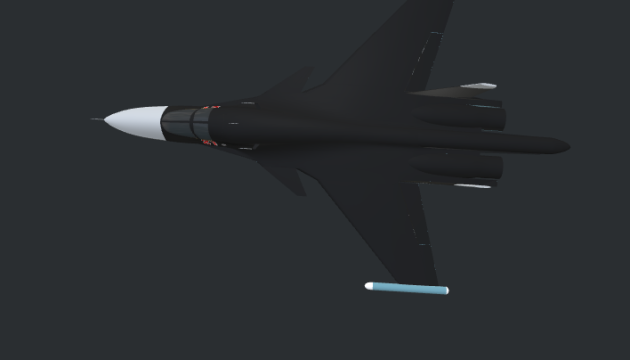
Ukraine is weaponizing intelligence disclosure to force allied sanctions action. By publishing supplier names publicly, Kyiv creates political pressure on the US and EU to designate entities or face criticism for inaction — simultaneously, public disclosure limits the intelligence value of the list (Russian suppliers can now obscure ownership and routing).
This converts what should be a confidential sanctions targeting exercise into a public relations campaign, which suggests either that existing allied sanctions channels are moving too slowly for Ukraine's needs, or that Kyiv is attempting to bypass bureaucratic delays by appealing directly to allied publics and legislators.
This represents a direct intelligence-to-sanctions pipeline: Ukraine is systematically identifying gaps in Western export controls and naming specific suppliers to pressure allied governments into secondary sanctions.
The Su-34 is Russia's primary tactical strike aircraft in Ukraine; disrupting its supply chain directly degrades Russian air capability. However, the effectiveness depends entirely on whether the US, EU, and allies act on these designations — naming suppliers without follow-on sanctions action is an intelligence leak, not an enforcement mechanism.
Watch for whether any of these 79 entities appear in EU or OFAC designations within 30 days; if not, the database becomes a public target list for Russian obfuscation efforts.
The article does not specify which of the 79 suppliers are most critical to Su-34 production (engines, avionics, guidance systems, etc.), nor does it indicate whether Ukraine has shared this list with US/EU sanctions authorities or whether allied governments have committed to acting on it.
Fault Lines
Strategic intelligence, synthesized daily — with a public track record. Every call graded against what actually happened.