Ukraine Opens Missile Export Market as Trump Freezes US Tomahawk Sales to Allies
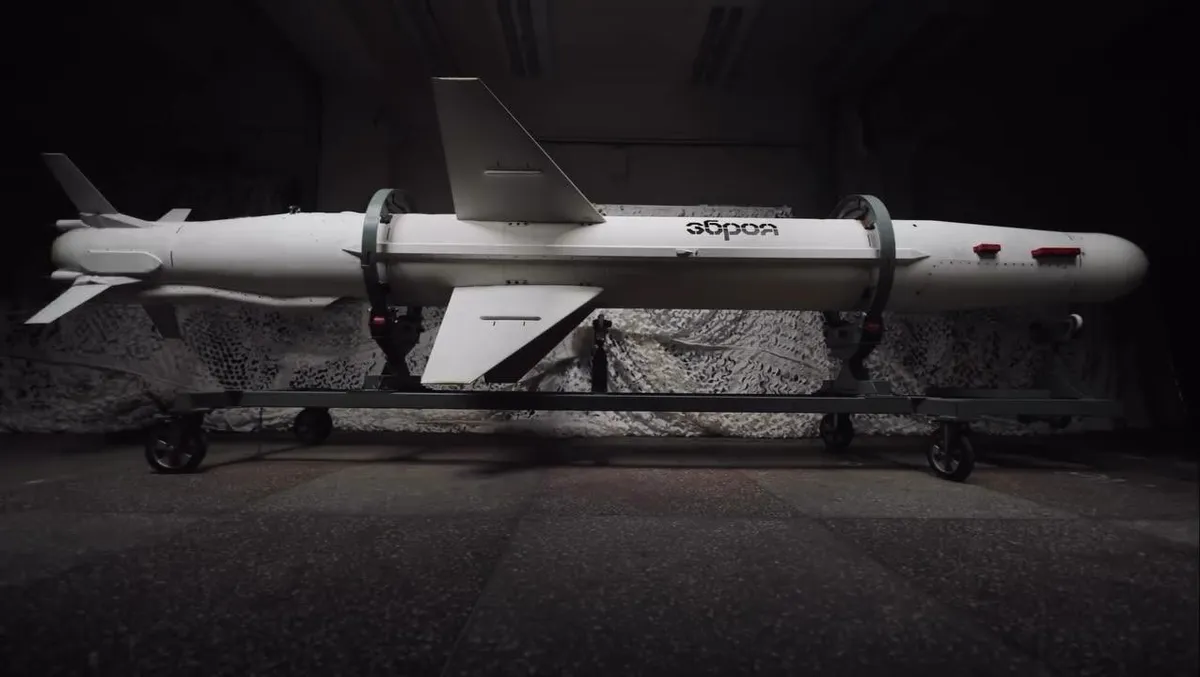
If a single allied nation (Poland is the logical first mover—it has the budget, the threat perception, and the political alignment with Kyiv) signs a Ukrainian missile contract, it signals to the rest of NATO that the US export restriction is durable, not temporary. That triggers a cascade: Japan and South Korea watch Poland's move and follow, breaking the assumption that Tomahawk is the allied standard.
Raytheon's export revenue takes a structural hit, but more important is the signal to Congress—allied nations are de-risking from US dependency on exactly the system Congress has funded at $1.2B annually.
This creates a direct competition vector for Raytheon's BGM-109 Tomahawk export franchise at precisely the moment when allied demand is highest.
NATO members and Indo-Pacific partners (Poland, Romania, Japan, South Korea, Australia) who relied on US Tomahawk availability now face a choice: wait for Trump administration approval, which is politically uncertain, or source Ukrainian cruise missiles immediately. Ukraine's export decision is not ideological—it's financial desperation. Kyiv needs hard currency and is leveraging its only scalable military asset.
For Raytheon, this is not a future threat; it's a present market capture. If Poland or Japan signs a Ukrainian missile contract before the Trump administration clarifies its export policy, Raytheon loses not just one sale but the reference customer that would have anchored allied procurement. The timeline is critical: allied procurement officers are making FY27 budget submissions NOW.
A Ukrainian export deal announced in the next 60 days reshapes those submissions permanently.
What is the actual production capacity of Ukraine's domestic cruise missile program, and has any NATO member or Indo-Pacific ally formally requested pricing or specifications?
Fault Lines
Strategic intelligence, synthesized daily — with a public track record. Every call graded against what actually happened.