Anduril Counter-Drone C2 Contract Awarded as Hormuz Shipping Attacks Accelerate
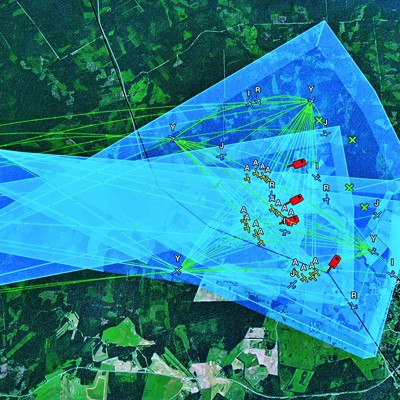
Active Iranian drone strikes on Hormuz shipping and UAE civilian infrastructure (Dubai, Fujairah) create immediate procurement urgency for counter-UAS command-and-control, but this contract does not itself change force posture or close capability gaps — it funds software/systems integration that must still integrate with existing air defense architecture.
If the $20B agreement includes rapid-deployment clauses for counter-drone modules to the Fifth Fleet or Central Command, this becomes a power-projection signal; absent that detail, this is a market-capture play by Anduril during a period of high demand. The contract's value to investors hinges on whether DoD consolidates counter-UAS procurement around Anduril or treats this as one option among many.
The contract reflects acute demand for counter-drone systems amid demonstrated Iranian drone effectiveness against shipping (Fujairah, Dubai) and fixed infrastructure.
However, the $87M C2 platform contract is a single procurement line, not evidence of systemic capability gaps — Anduril competes in a crowded market (Palantir, Dedrone, Northrop's CUAS offerings). The $20B umbrella agreement is significant for Anduril's valuation and future revenue potential, but this article provides no breakdown of how much of that $20B is allocated to counter-UAS versus other product categories.
The real decision trigger for investors is whether this contract signals DoD intent to consolidate counter-drone C2 procurement under a single vendor (which would favor Anduril in follow-on awards) or whether it's a parallel acquisition alongside competing systems.
The article does not specify: (1) how much of the $20B umbrella is earmarked for counter-UAS versus other Anduril products; (2) whether competing counter-drone C2 systems (Palantir, Dedrone, Northrop) are being phased out or run in parallel; (3) deployment timeline to theater or integration status w...
Fault Lines
Strategic intelligence, synthesized daily — with a public track record. Every call graded against what actually happened.