Sweden Seizes False-Flagged Tanker Bound for Russia; Sanctions Enforcement Extends to Shadow Fleet
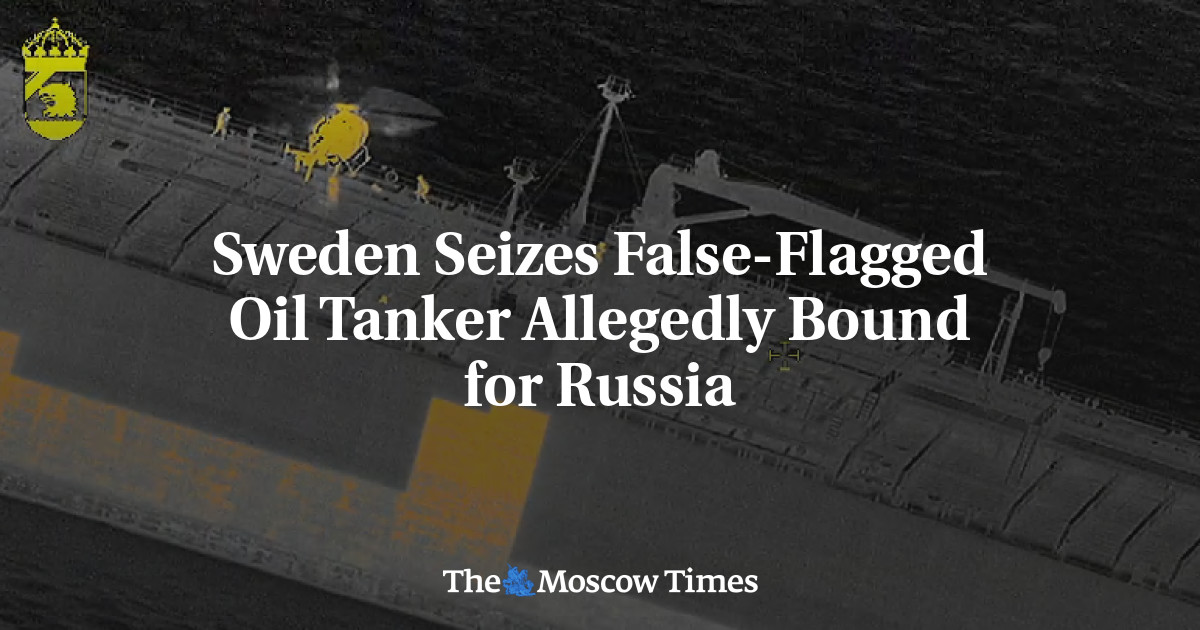
The seizure directly constrains Russia's ability to monetize crude exports at a moment when Iran's supply removal is forcing global buyers to compete for remaining barrels.
Higher crude prices flowing from tighter supply reduce fiscal space for allied defense spending in Europe — Germany, Italy, and other energy-import-dependent NATO members face higher defense budget opportunity costs precisely when they are expanding air defense and ammunition procurement to counter Iranian drone and missile proliferation into Europe (evidenced by the March 13 NATO interceptions in Turkey and the French casualty in Iraq).
This creates a window for the US to demand accelerated NATO defense spending commitments by framing energy security as inseparable from military capability.
This seizure signals that European enforcement of Russian energy sanctions is accelerating precisely when global crude supply is at its tightest point in history.
The timing is critical: with the IEA declaring the Iran conflict the largest oil disruption on record and Hormuz throughput collapsing, any reduction in Russia's shadow fleet capacity tightens global supply further and raises crude prices.
For defense budgets, this increases the fiscal pressure on NATO allies already spending heavily on Ukraine and Middle East air defense — higher energy costs compress procurement budgets.
For energy-dependent allies (Germany, Italy, Poland), the dual squeeze of lost Iranian supply and reduced Russian shadow shipping creates a geopolitical lever that the US and EU can use to enforce compliance, but also creates incentive for non-aligned states to mediate or defect.
The mechanism is straightforward: fewer tankers available to Russia → higher shipping premiums → higher effective oil prices → tighter fiscal space for allied defense spending.
The article does not specify how many vessels are in the identified shadow fleet, the current utilization rate of remaining tankers, or whether Sweden is coordinating this seizure with other EU member states or the US as part of a broader enforcement surge.
Fault Lines
Strategic intelligence, synthesized daily — with a public track record. Every call graded against what actually happened.