L3Harris Secures $2.9B EA-37B Compass Call Expansion; Air Force Adds 12 Aircraft to Fleet
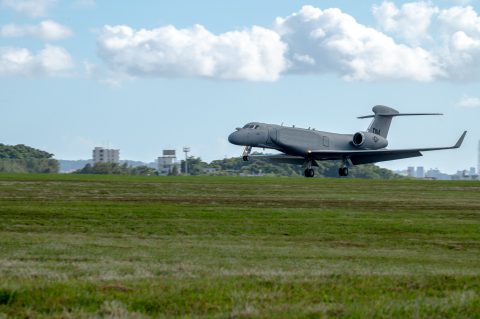
If L3Harris commits $2.9B to EA-37B production, the company is betting that electronic attack demand outpaces Air Force fighter procurement — a direct signal that the EW mission is not being consolidated into next-gen platforms like NGAD or F-35 Block 4.
This also means RTX's Raytheon division (which competes in EW) will face pressure to defend its own jamming roadmap, likely through the Integrated Warfare System (IWS) or pod-based alternatives.
The 12-aircraft buy is small enough that it doesn't trigger a major industrial base shift, but large enough to lock supply chains and workforce for 3-4 years — which matters if the Pentagon later decides to accelerate munitions production or semiconductor-dependent systems.
L3Harris locks in $2.9B of committed production runway at a moment when the Air Force is accelerating electronic warfare capability across the Pacific and Middle East theaters.
The 12-aircraft addition (120% expansion of the current fleet) forces L3Harris to commit manufacturing capacity and supply-chain capital now — before FY27 appropriations. This constrains the company's ability to pivot to other EW platforms if the Pentagon shifts requirements, and it signals the Air Force believes Compass Call will remain the primary jamming asset through at least 2030.
Watch the contract award timing: if it lands before the FY27 NDAA markup in June, the Hill has already locked in the buy. If it slips past July, it becomes vulnerable to budget pressure or platform consolidation arguments.
Does the $2.9B figure include only the 12 new airframes, or does it include integration, spares, and sustainment? The article doesn't decompose the value.
Fault Lines
Strategic intelligence, synthesized daily — with a public track record. Every call graded against what actually happened.