Iranian Strike Hits PCB Complex Supplying 70% of Global Base Material; Supply Chain Fracture Risk Rises
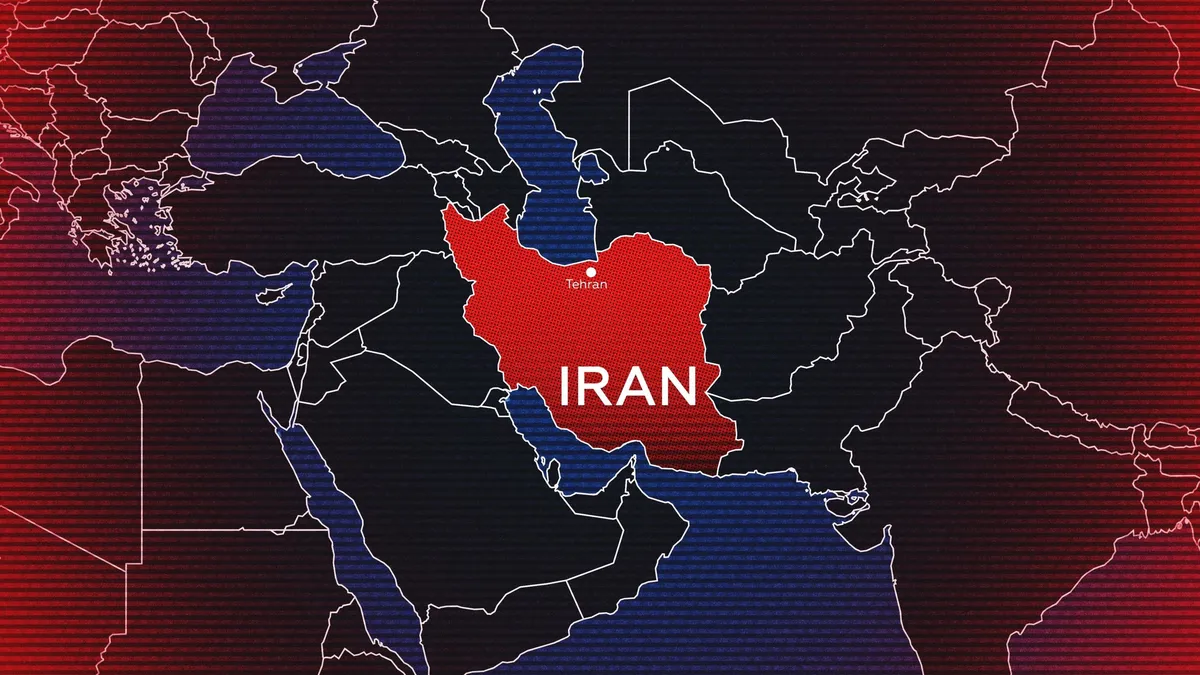
Iran's strike on PCB production closes the supply-side lever just as the U.S. has seized the demand-side lever through the global shipping blockade on Iranian crude. This converts the Middle East conflict from a regional military contest into a dual-use supply chain war — the side that can degrade the adversary's industrial base faster wins without committing additional combat forces.
If Iran sustains follow-on strikes on semiconductor fabs or rare earth refineries, defense procurement timelines compress across all allied nations simultaneously, forcing DoD to choose between accelerating LRIP quantities (and burning cash reserves) or accepting production gaps that expose Taiwan contingency plans.
This is a supply chain weapon.
A successful hit on a 70%-of-global-supply facility doesn't just raise prices — it fractures defense industrial capacity across every sector dependent on PCBs: missiles, radars, avionics, satellites, communications systems. The timing is not coincidental.
Iran's targeting of dual-use manufacturing mirrors the logic of the U.S. blockade on Iranian oil (announced April 24) and Chinese refiner sanctions (April 27) — both sides are now weaponizing supply chains directly. For defense primes, this creates immediate risk: Raytheon, Lockheed, Northrop, and General Dynamics all depend on stable PCB sourcing for LRIP production and sustainment.
If the complex remains offline for weeks, Lot production schedules slip, FYDP commitments slip, and allied procurement windows close. For program managers, this is a constraint you cannot contract around — there is no second source at scale.
The real exposure is not the strike itself but whether Iran follows with strikes on other choke points (semiconductor fabs, rare earth processing, missile component assembly) to force a ceasefire.
What was actually destroyed or damaged in the strike? Tom's Hardware reports the targeting but does not cite damage assessment, casualty counts, or repair timelines. Iranian claims of damage are unverified.
Fault Lines
Strategic intelligence, synthesized daily — with a public track record. Every call graded against what actually happened.