Raytheon Wins SeaRAM Contract for Australia's 11 Mogami-Class Frigates via MHI
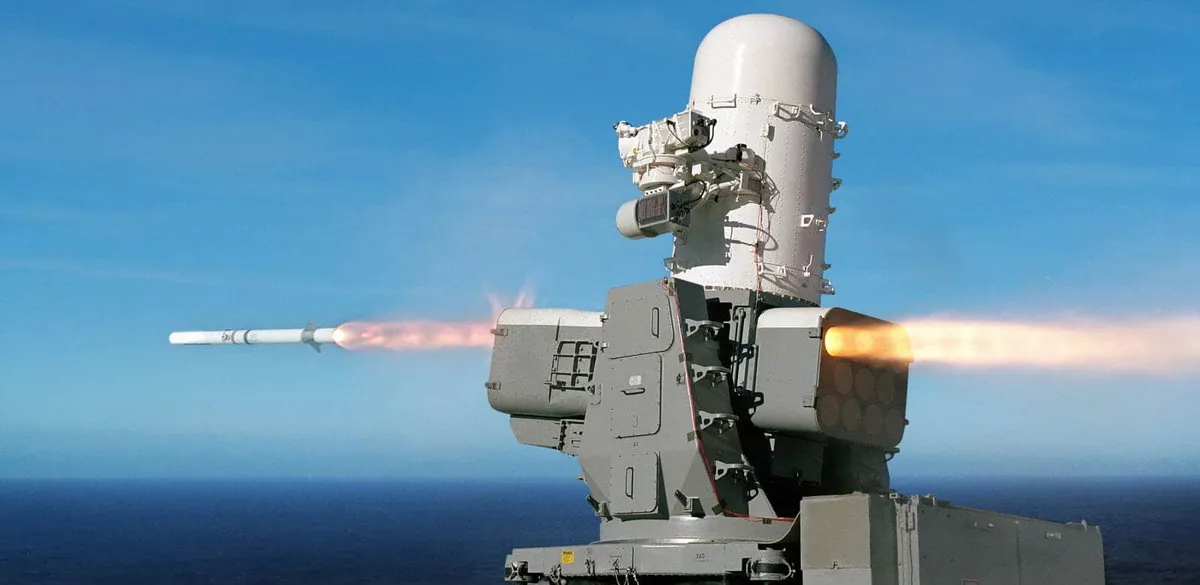
This confirms the AUKUS industrial convergence on US combat systems. Raytheon's SeaRAM now sits in the approved stack for allied frigate programs — Australia, and by extension the UK's Type 31 and Canada's Canadian Surface Combatant will face pressure to adopt the same launcher to simplify logistics and training.
The precedent matters: MHI-as-integrator + Raytheon-as-subsystem supplier becomes the model for other allied co-production. Watch whether the UK's Type 31 SeaRAM integration announcement follows within 12 months; if it does, you're seeing industrial policy enforcement, not independent procurement decisions.
Australia's frigate upgrade locks in US short-range air defense integration into a core AUKUS naval platform, forcing allied procurement teams to certify Raytheon's launcher architecture into their own ship designs.
General Dynamics (Australia's SEA 3000 prime) must now coordinate SeaRAM integration timelines with MHI's Mogami production schedule in Japan — a three-way dependency (US contractor, Japanese shipbuilder, Australian buyer) that compresses the window for design changes.
If Raytheon's launcher qualification slips, the entire 11-ship program's combat system IOC delays by the length of the slip, cascading into INDOPACOM's frigate availability calculations for the Taiwan contingency window (2027–2029).
What is the contract value, and does it include integration engineering or just hardware supply? Has General Dynamics Australia already locked in the launcher mounting footprint, or is the design still fluid?
Fault Lines
Strategic intelligence, synthesized daily — with a public track record. Every call graded against what actually happened.