Macron Offers Nuclear Umbrella to 8 European Allies, Retains Sole Launch Authority
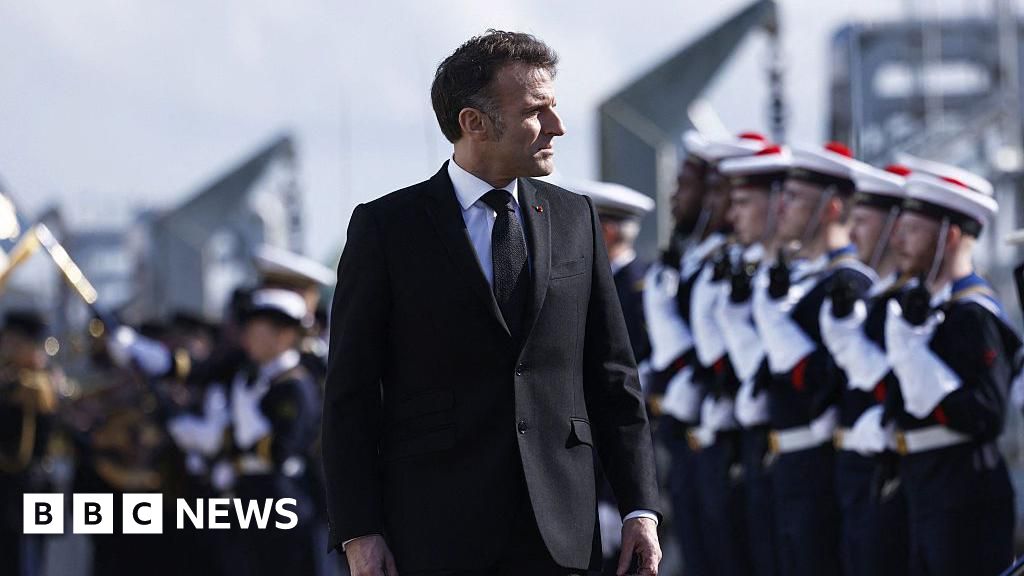
Macron's unilateral deterrence model forces allied defense planners to hedge between U.S. and French nuclear commitments, potentially fragmenting NATO's integrated air defense and command structure — allies must now maintain dual nuclear escalation protocols and may demand separate French-led nuclear war planning, creating redundant procurement and training costs.
This also signals France's intent to build independent strategic autonomy from NATO, which will pressure Berlin and other continental allies to either deepen French partnerships (favoring Thales, MBDA, and French shipyards in future procurement) or accelerate German rearmament outside the NATO framework.
This announcement creates a two-tier NATO deterrence structure: U.S. extended deterrence (with integrated command and consultation protocols) and French extended deterrence (with no allied veto).
For allies like Poland, Romania, or the Baltics currently reliant on U.S. nuclear guarantees, this offers a secondary assurance but introduces ambiguity about French red lines and decision timelines. For French defense contractors (Thales, Naval Group, Dassault), this signals sustained investment in strategic force modernization and warhead reliability.
The critical gap: Macron's retention of sole decision-making authority contradicts the NATO consensus model and may undermine allied confidence if French threat perception diverges from collective NATO assessment during a crisis.
Which eight countries are covered, and does France intend to negotiate any consultation mechanism with protected allies, or does 'sole decision-making power' mean France makes nuclear decisions unilaterally without allied input?
Fault Lines
Strategic intelligence, synthesized daily — with a public track record. Every call graded against what actually happened.