Germany Signals US Troop Withdrawal 'Foreseeable'; NATO Seeks Clarification on 5,000-Soldier Pullout
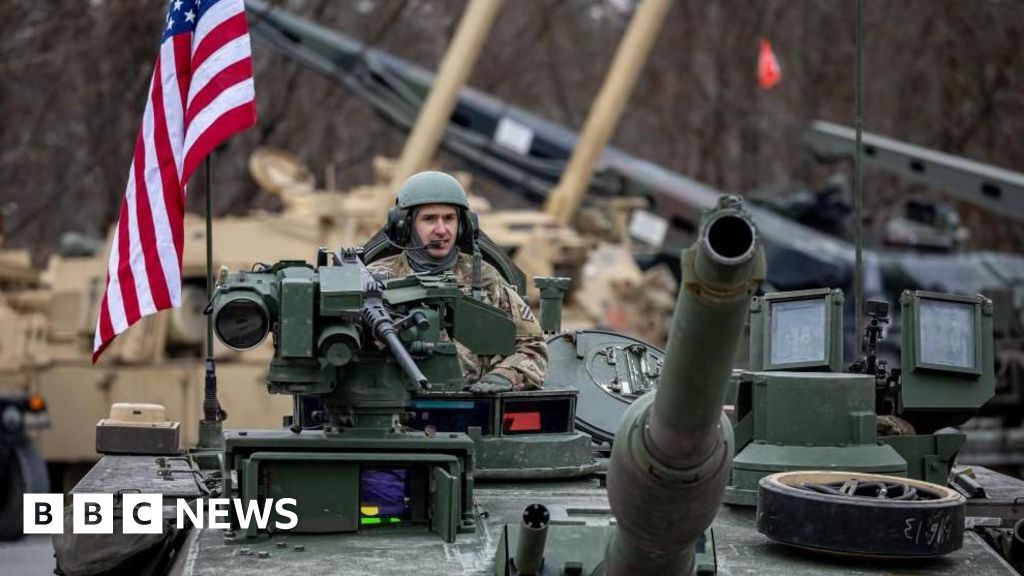
The withdrawal forces European NATO members to choose between accelerating their own procurement (raising defense spending further and tightening allied supply chains) or accepting degraded collective defense posture.
Germany's capitulation on the 5,000 removes the last major allied veto on force structure changes; this opens the door for Trump to announce larger drawdowns (10,000+ personnel) without facing unified pushback.
Simultaneously, the ongoing Iran blockade and Hormuz shipping collapse are straining European energy markets and diverting NATO attention from Europe—reducing appetite for confrontation with Washington over force levels.
This is the first public acknowledgment from a major NATO ally that the Trump administration's troop withdrawal is treated as fait accompli rather than negotiable.
Germany's language—'foreseeable' rather than 'we oppose'—signals acceptance of a fait accompli and suggests the alliance is moving from resistance to accommodation. The 5,000-soldier figure is significant: that's roughly one-third of U.S. forward-deployed personnel in Germany, enough to degrade rapid-response posture in Eastern Europe.
Republican concern matters only insofar as it signals internal Trump administration debate, but absent congressional action (unlikely given the War Powers stalemate already underway), the withdrawal will proceed. The real risk is cascade: if Germany accepts 5,000, Poland and the Baltics will demand reciprocal force posture guarantees—or pivot toward independent capability.
NATO procurement timelines for air defense and long-range fires will accelerate.
Does the 5,000 figure represent all forward-deployed U.S. personnel in Germany, or only a subset? The article doesn't specify which commands or installations are affected, making it impossible to assess whether this hollows out V Corps, degrades EUCOM logistics, or is primarily symbolic.
Fault Lines
Strategic intelligence, synthesized daily — with a public track record. Every call graded against what actually happened.