CISA Director Gottumukkala Removed Amid First-Year Performance Criticism
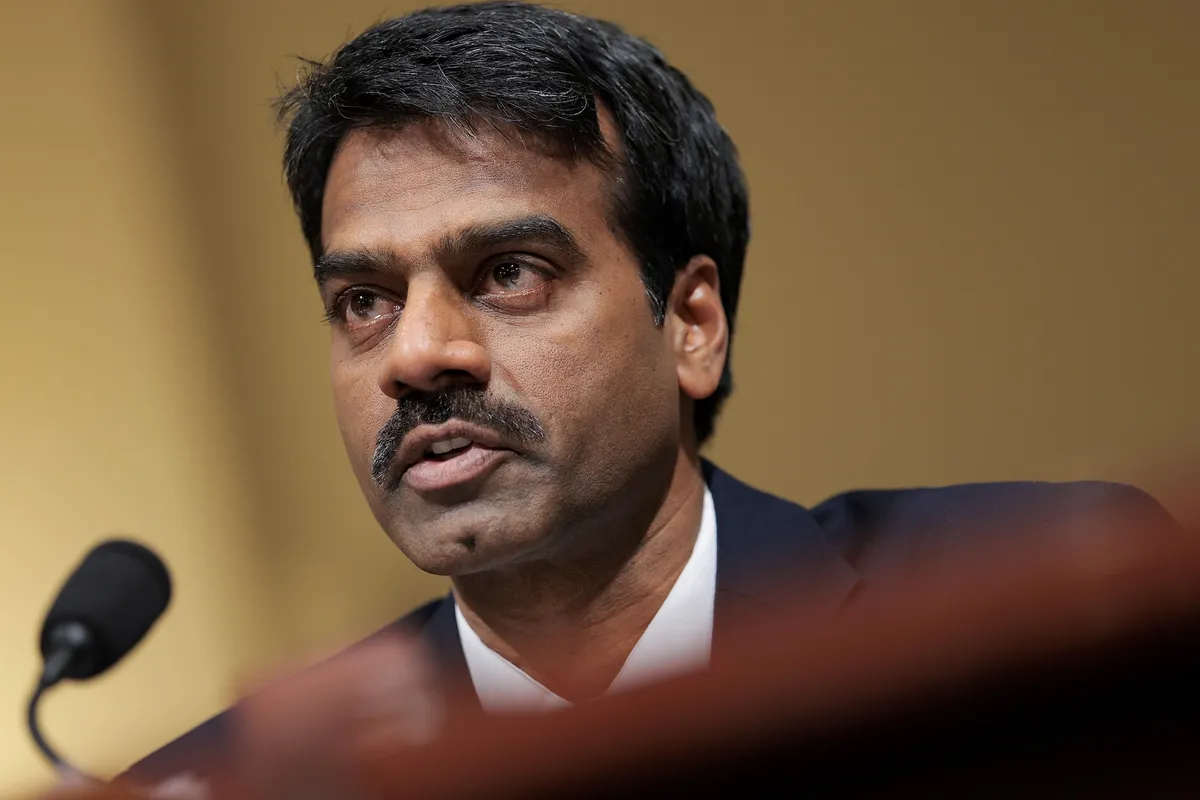
CISA director transitions can alter vendor compliance standards and incident disclosure requirements that flow directly into defense contractor supply chain risk management programs and critical infrastructure procurement cycles.
If Andersen introduces stricter vendor vetting or accelerates breach notification timelines, defense primes and their subcontractors will face compressed compliance windows; conversely, if the shift is toward lighter-touch oversight, some contractors may reduce cybersecurity investment in non-core systems.
The direction will emerge only after Andersen establishes CISA guidance on vulnerability disclosure, supply chain risk management, and incident reporting—watch for those announcements within 60-90 days.
CISA leadership changes affect the operational tempo and strategic priorities of U.S. critical infrastructure cybersecurity policy, which cascades into vendor procurement timelines and compliance requirements across defense contractors and critical infrastructure operators.
The stated performance criticism suggests potential misalignment between the administration's expectations and CISA's execution on either incident response, vulnerability coordination, or infrastructure resilience—but without specifics, it is unclear whether this reflects tactical execution failures or strategic policy disagreement.
Defense contractors and critical infrastructure firms should monitor whether Andersen signals a shift in CISA's approach to vendor vetting, supply chain security standards, or incident notification timelines.
The article does not detail what specific performance failures or policy disagreements triggered Gottumukkala's removal, making it impossible to assess whether this represents continuity or a reorientation of CISA's priorities relative to defense procurement or critical infrastructure protection.
Fault Lines
Strategic intelligence, synthesized daily — with a public track record. Every call graded against what actually happened.