Bipartisan Bill Blocks DUV Lithography Exports to Huawei, SMIC, YMTC; Tightens China Chip Curbs
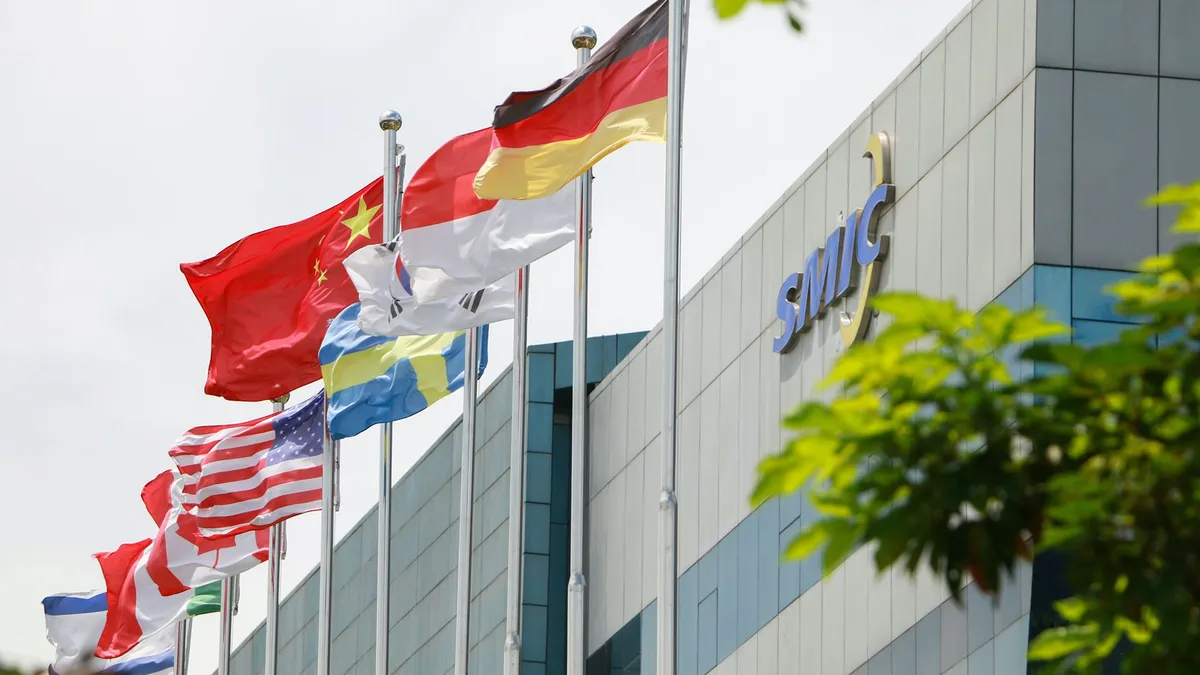
Active U.S. military losses over Iran (two F-15E/A-10 airframes downed April 3-4, pilot rescue operations ongoing) have exposed air defense vulnerabilities that Congress is now attempting to constrain via supply-side leverage on Chinese military chipmaking.
By blocking DUV access, the bill reduces China's ability to modernize radar and missile guidance systems that directly threaten U.S. air operations in the Indo-Pacific—effectively using export controls as a force-protection mechanism against near-peer air defense threats.
This narrows the technological window available to China's military-linked semiconductor supply chain at a moment when U.S.-Iran military escalation (ongoing since April 3) is driving urgent reassessment of Indo-Pacific contingency planning and allied supply resilience.
DUV tools represent the last commercially accessible node below EUV for advanced logic and memory production; blocking them forces China's defense industrial base toward older nodes or accelerates domestic tool development timelines by 18-36 months.
The timing—embedded within active Middle East combat operations—suggests Congress is using export controls to offset military readiness risks elsewhere by constraining adversary technical capacity. SMIC and Huawei are already operating under partial restrictions; this closes a remaining loophole.
If enacted, the measure reduces China's ability to refresh military-grade processors for air defense, naval fire control, and satellite systems without dependency on older architectures or non-standard supply chains.
The article does not specify whether this bill has committee assignment, co-sponsor count, or likelihood of floor passage, nor does it clarify whether these restrictions would apply retroactively to pending export licenses or only prospectively.
Fault Lines
Strategic intelligence, synthesized daily — with a public track record. Every call graded against what actually happened.