Norwegian Propulsion Supplier STADT Naval Locks Polish Submarine Rescue Contract
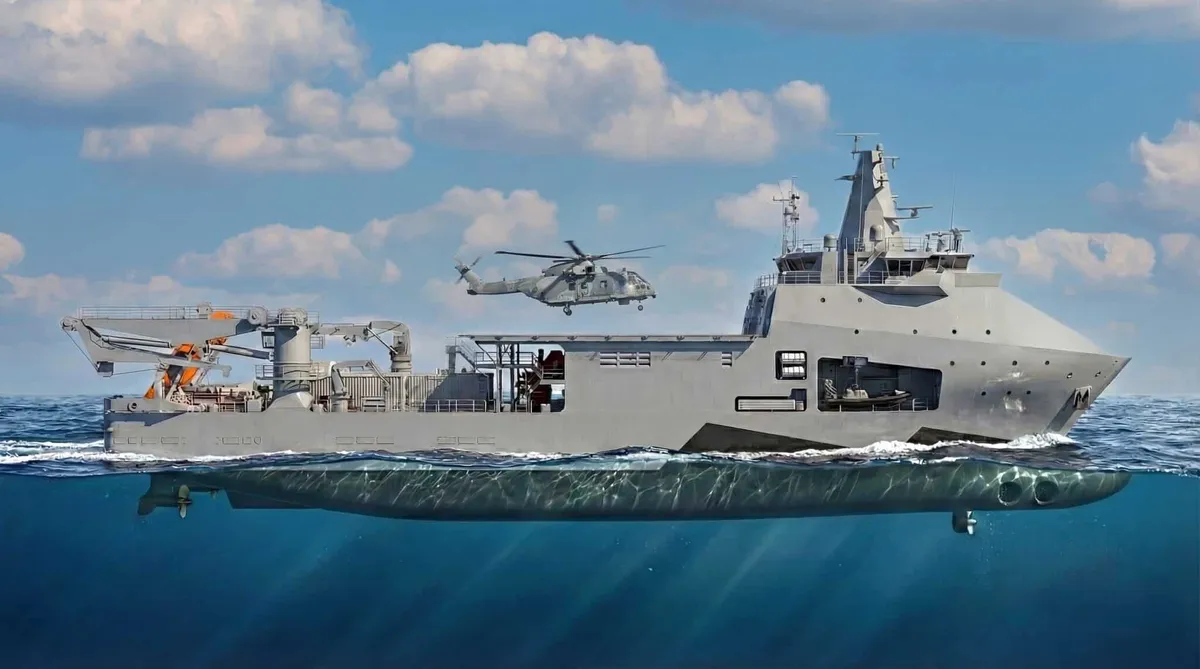
Poland's submarine rescue capability directly supports NATO's ability to operate and recover assets in the Baltic, a theater where Russia has concentrated naval and undersea forces.
By anchoring this capability to Norwegian technology, Poland deepens its dependence on Norwegian supply chains for critical naval systems—a dependency that becomes a negotiating variable if Poland seeks to diversify suppliers or accelerate modernization timelines beyond Norway's production capacity.
This also creates an incentive for Poland to coordinate future submarine-related procurements with Norway, potentially locking in STADT Naval for follow-on power plant work on Poland's Orka-class submarines if those platforms require mid-life propulsion upgrades.
This contract extends Norway's role as a critical subsystem supplier within NATO's Baltic maritime posture.
For Polish naval programs, it signals reliance on Norwegian technology for specialized rescue platforms—a dependency that could surface in sustainment or upgrade cycles. For STADT Naval and the Norwegian defense industrial base, it represents a foothold in Polish submarine-adjacent procurement, potentially creating precedent for future contracts across Poland's broader submarine modernization plans.
The strategic value hinges on whether this is a one-off or the opening move in deeper Polish-Norwegian naval integration.
The article does not disclose contract value, delivery timeline, or technical specifications of the propulsion system. It also does not clarify whether this contract includes options for future Polish naval platforms or whether STADT Naval competed against other bidders.
Fault Lines
Strategic intelligence, synthesized daily — with a public track record. Every call graded against what actually happened.