IAEA Confirms No Nuclear Facility Damage in Iran; Escalation Containment Holds
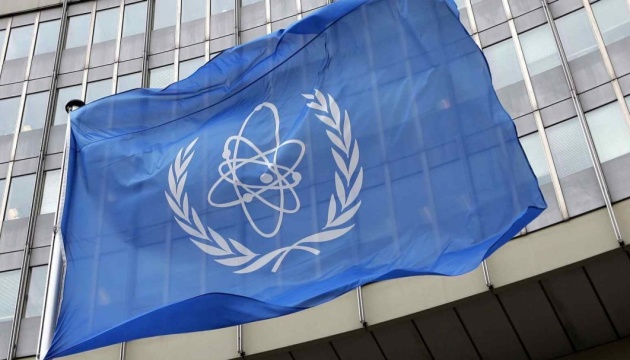
The IAEA certification removes a major trigger for Iranian nuclear acceleration, which in turn preserves the current timeline for any US or allied military contingency planning against Iranian nuclear progress. If the IAEA had found damage, Tehran would have rhetorical and operational cover to breach JCPOA limits or accelerate enrichment — compressing the decision window for any preventive strike option.
By confirming no damage, the IAEA extends the status quo deterrence window, allowing allied procurement and readiness timelines to hold their current pace rather than shifting into crisis mode.
This IAEA finding limits immediate escalation risk in the nuclear dimension.
If Iranian nuclear sites had sustained damage, Tehran would face pressure to accelerate enrichment or weapons-adjacent activities as retaliation — forcing a new deterrence calculation for Israel, the US, and Gulf allies. The "no damage" verdict removes that trigger, though it does NOT reduce Iranian political incentive to respond conventionally or via proxies.
For defense contractors and program managers: this narrows the contingency set. DoD and allied force posture planning can assume Iranian nuclear posture remains on its pre-attack trajectory rather than in crisis acceleration mode. Watch whether Iran's conventional response (if any) remains proportional — that will signal whether the nuclear boundary is holding as a de-escalation floor.
The article does not specify which Iranian nuclear facilities were inspected, the scope or timing of the IAEA visit, or whether inspectors had full access to all declared sites.
Fault Lines
Strategic intelligence, synthesized daily — with a public track record. Every call graded against what actually happened.