Commerce Dept Finalizes AI Accelerator Export Rules; Biden-Era Diffusion Rule Shelved
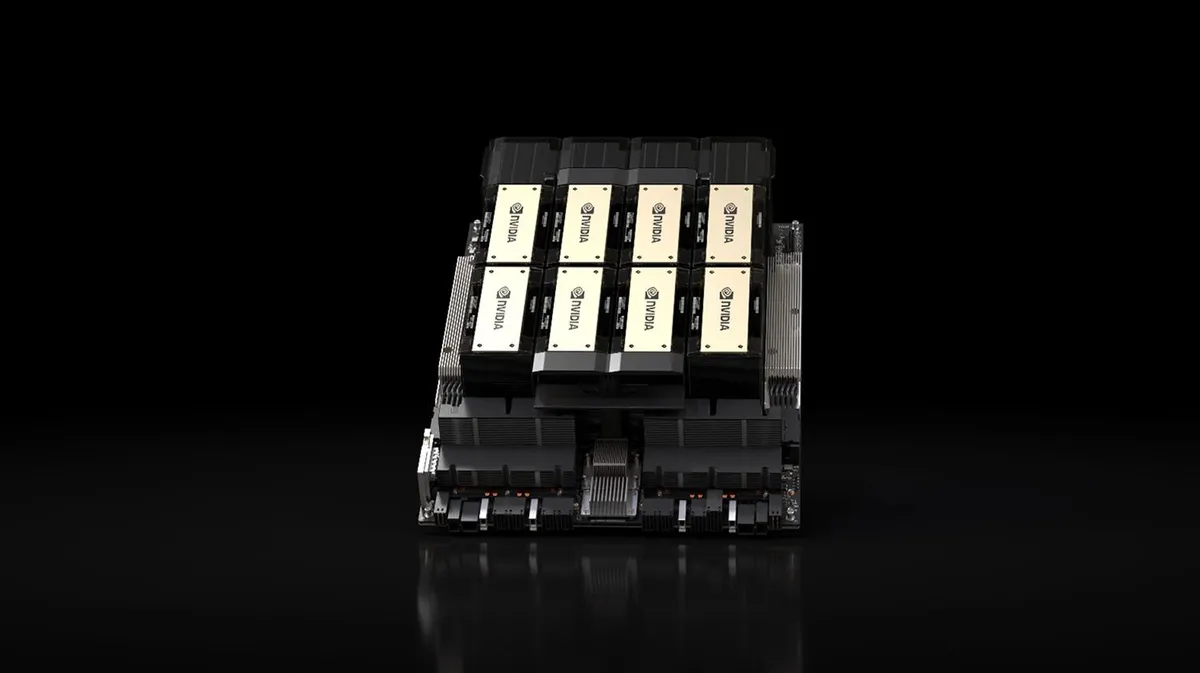
AI accelerator export controls directly compress the addressable market for NVIDIA and AMD in China and allied-restricted countries, forcing revenue recognition delays and inventory repositioning.
The timing — mid-conflict escalation with Iran and concurrent Middle East operations (March 5-6, 2026) — suggests the administration is using export controls as a parallel deterrence mechanism against state actors seeking advanced compute for military AI applications.
If the new rule is more restrictive than the Diffusion Rule, it will accelerate allied semiconductor supply-chain fragmentation and increase pressure on TSMC and Samsung to establish separate fabs for China-restricted tiers.
This signals the Trump administration is tightening AI accelerator export controls but on its own terms, not through a previous framework.
The choice to abandon the Diffusion Rule suggests either more aggressive controls (broader entity list, lower performance thresholds) or a narrower, more targeted approach — the article does not clarify which.
Semiconductor firms (NVIDIA, AMD, Intel) and their supply chain partners face regulatory uncertainty until the final rule is published; timing matters because export license backlogs directly affect Q2-Q3 revenue recognition. The strategic implication depends entirely on whether the new rule is more or less restrictive than the Diffusion Rule — the article provides no basis to determine that.
The article does not specify: (1) which countries or end-use sectors the new rule targets; (2) whether performance thresholds will be higher or lower than the Diffusion Rule; (3) when the Commerce Department will publish the final rule or open a comment period; (4) whether the rule will apply retroa...
Fault Lines
Strategic intelligence, synthesized daily — with a public track record. Every call graded against what actually happened.