Russia Shares Advanced Drone Tactics With Iran Mid-Campaign; White House Downplays Intelligence Coordination
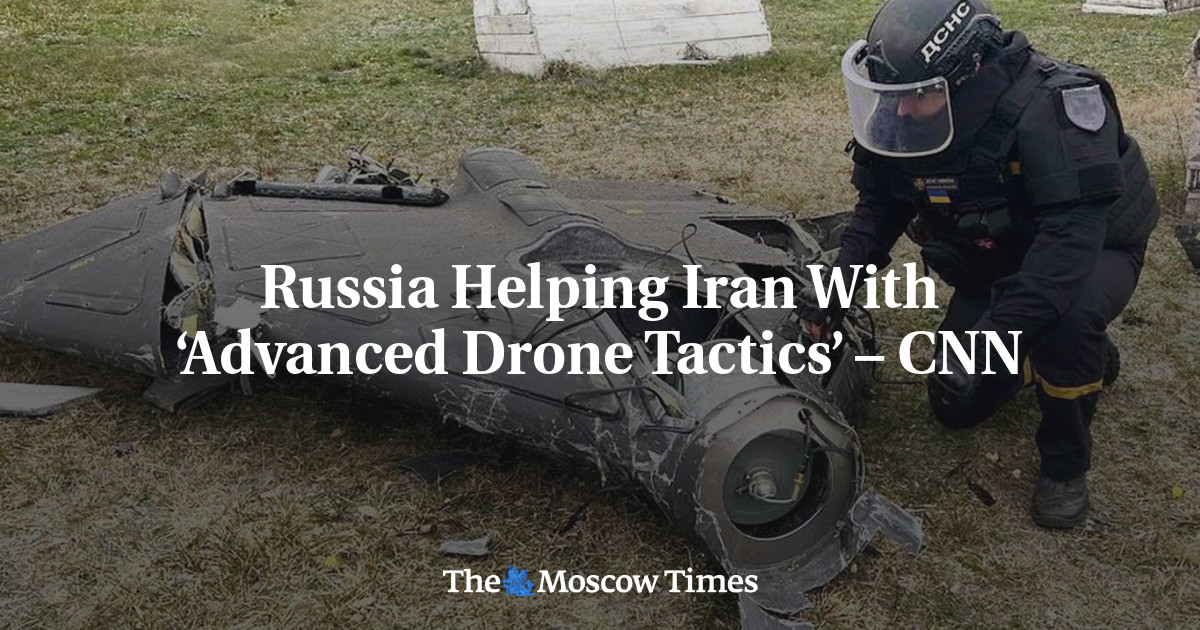
Russian drone-support to Iran accelerates the operational feedback loop on US air defense systems. Each Iranian strike wave (28 documented as of March 10) generates real-time data on Patriot, THAAD, and other US systems' performance, detection ranges, and engagement patterns — information Russia can now incorporate into its own air defense doctrine and share with China and other peer competitors.
This compresses the timeline for adversary counter-measure development and forces US air defense modernization from a 10-year procurement cycle into a 2-3 year urgent-need posture, creating budget pressure on FY27 supplemental appropriations and potential delays to other programs.
If confirmed, Russian drone-support to Iran extends the conflict beyond bilateral US-Israel-Iran dynamics into great-power competition.
Russia gains operational intelligence on US air defense performance in real combat (Camp Arifjan strike on March 11 and 28 prior Iranian waves provide live feedback).
For US air defense procurement — particularly short-range and counter-UAS systems — this signals that adversary drone tactics will evolve faster than historical development cycles; contractors like RTX (Raytheon), Northrop, and L3Harris face pressure to accelerate Patriot, THAAD, and SHORAD modernization.
The White House's downplaying suggests either low confidence in the intelligence or strategic reluctance to escalate toward Russia directly, leaving ambiguity about whether US retaliation or deterrence will target Russian personnel or systems in-theater.
The article does not specify which drone types, tactics, or platforms Russia is assisting with; whether the assistance includes targeting data, electronic warfare techniques, or real-time coordination; or whether US intelligence has identified Russian advisors or signals in Iranian strike operations...
Fault Lines
Strategic intelligence, synthesized daily — with a public track record. Every call graded against what actually happened.