Space Command Cyber Strikes Enabled 1,000+ Iranian Targets in 24 Hours
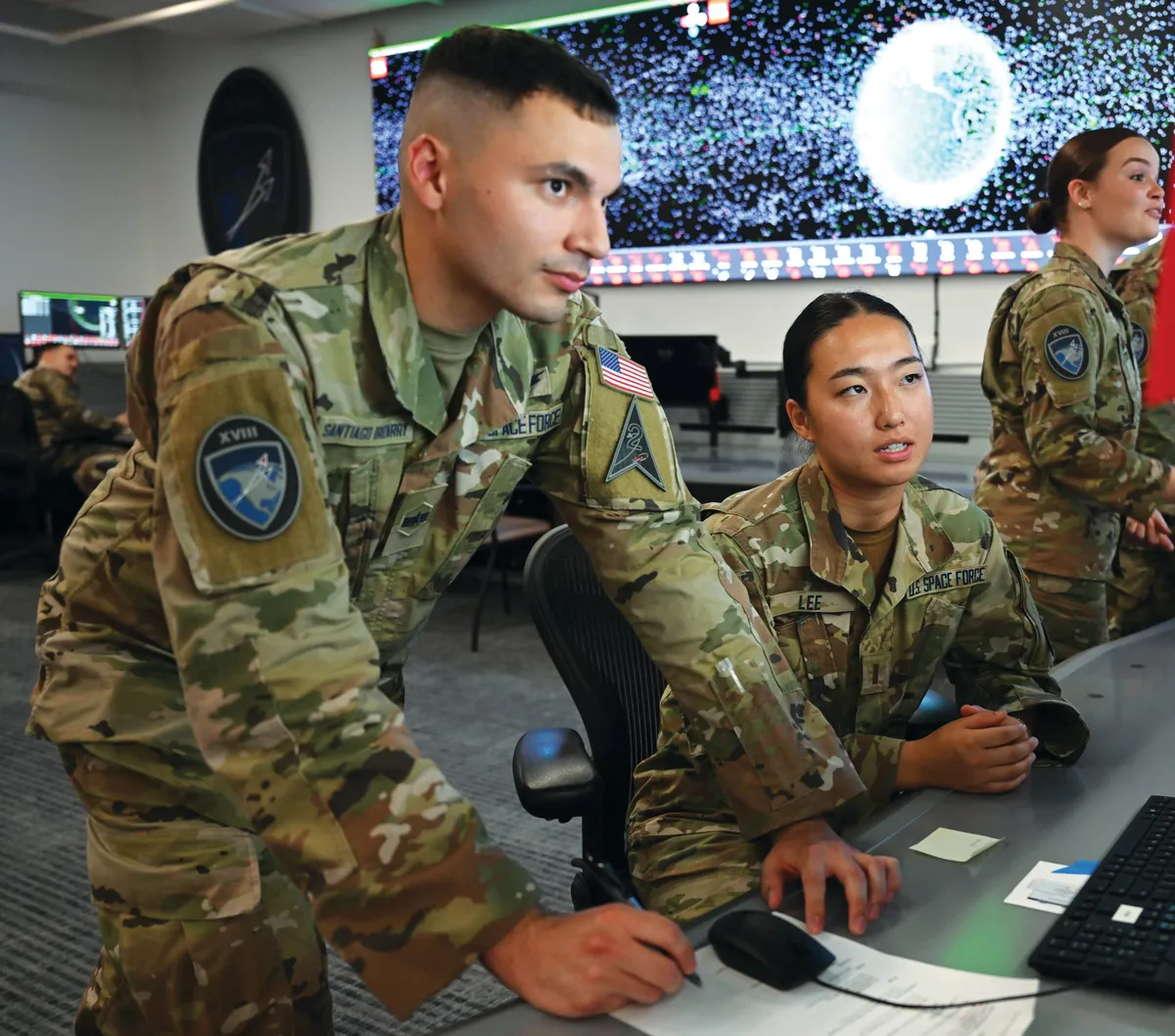
Space Command's role as 'first mover' establishes space access and cyber operations as the binding constraint on joint force tempo. If space assets or cyber networks degrade during sustained operations, kinetic strike capacity will degrade proportionally—this directly impacts force structure debates about redundancy in satellite comms, resilient ISR architectures, and cyber defense posture.
Contractors providing integrated air defense suppression (Raytheon, Northrop) and space-based ISR (Maxar, L3Harris) will see accelerated procurement demand if this campaign demonstrates vulnerability in current architecture.
The operational sequencing—space and cyber first, kinetic second—reveals how the U.S. military is executing integrated multi-domain operations in active conflict.
This confirms that space-based ISR, communications, and cyber disruption are now treated as prerequisite enablers rather than supporting functions. For defense contractors, this validates the strategic importance of space resilience, integrated air defense suppression, and cyber warfare capabilities in near-peer conflict scenarios.
The scale (1,000+ targets in 24 hours) suggests significant pre-conflict planning and suggests sustained operations will depend on maintaining space superiority and cyber dominance throughout the campaign.
The article does not specify which targets were struck, what percentage were air defense systems versus other categories, whether U.S. space assets sustained any damage, or how long space and cyber dominance is expected to hold.
Fault Lines
Strategic intelligence, synthesized daily — with a public track record. Every call graded against what actually happened.