France Commits $22M to Ukrainian Defense Tech; Battlefield Testing Begins September 2026
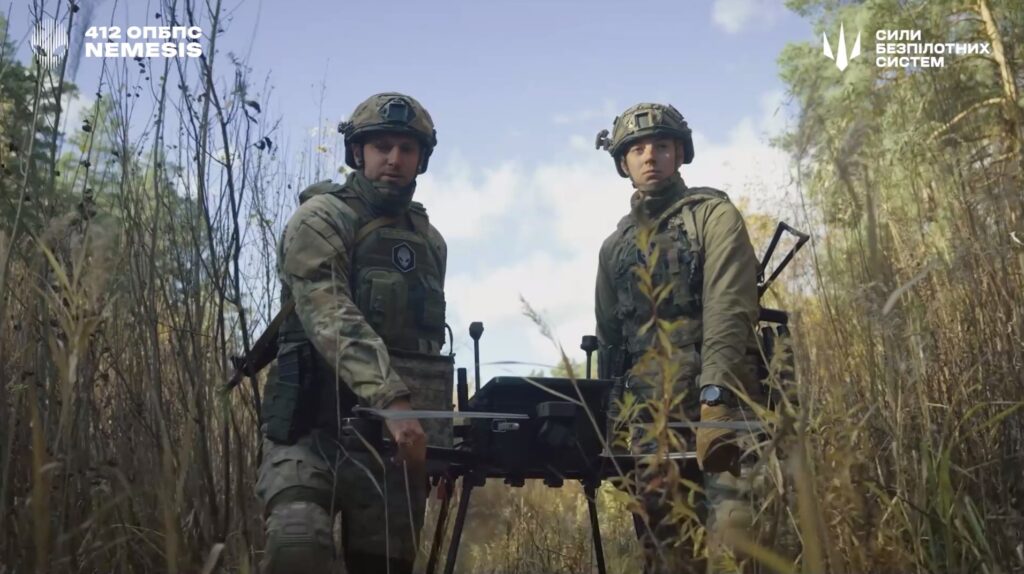
The mechanism is stark: France gets real-world validation data on drone swarms, air defense integration, and missile performance against Russian tactics — data worth far more than $22M in R&D savings. If the September competitions surface viable prototypes, French defense primes (Thales, MBDA, Airbus Defence & Space) will have a 12-month head start on NATO-wide procurement.
The constraint is political: this only works if Ukraine's military command prioritizes French systems over US/NATO equivalents in the field. If Ukrainian forces default to HIMARS and Patriot integration instead, the program becomes a sunk cost.
This is the first major European commitment to co-develop and field-test defense systems inside an active theater.
France is betting that iterative battlefield validation will compress development cycles and lock in interoperability with Ukrainian forces before any NATO integration — a direct signal that Paris is treating Ukraine as a permanent ally, not a contingency. The September 2026 timeline means prototype systems will be combat-tested by Q4 2026, creating a 12-18 month advantage over traditional NATO procurement cycles.
Watch whether other EU members (Poland, Germany, UK) match or amplify this commitment; if they don't, France has positioned itself as the primary European defense partner to Kyiv outside the US.
Does the $22M fund only the development phase, or does it include production and logistics for fielded systems? The article doesn't specify whether Ukraine retains IP or whether systems are licensed back to French industry.
Fault Lines
Strategic intelligence, synthesized daily — with a public track record. Every call graded against what actually happened.