IISS Data: China Launched 10 Nuclear Subs in 5 Years, Outpacing U.S. Production Rate
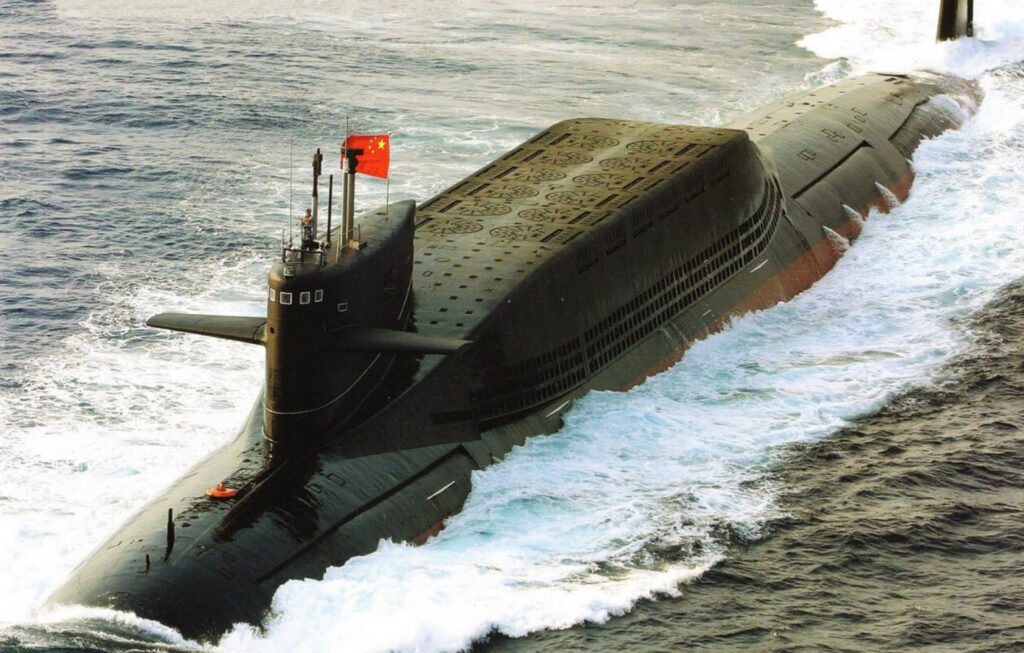
China's sustained 2/year submarine launch rate directly extends the operational window in which Chinese ballistic-missile submarines can achieve continuous at-sea deterrent patrols before the U.S. can expand its attack-submarine force to maintain coverage. This forces U.S.
Pacific Command to either accept higher risk in undersea deterrence stability or accelerate Virginia-class procurement, which competes for industrial base capacity (welders, reactor components, schedule slots at Electric Boat and Newport News) against Columbia-class SSBN production—a zero-sum constraint that will surface in FY27 budget markup and likely trigger a supplemental production-rate increase request from Navy leadership.
If the IISS estimate holds, China is sustaining a nuclear submarine production cadence (2 per year) that the U.S.
Navy has not maintained since the Cold War. This directly affects force-structure planning: the Indo-Pacific Command's undersea deterrent calculus assumes a given ratio of U.S. attack submarines to Chinese ballistic-missile submarines; a sustained 2/year Chinese rate compresses the timeline for U.S. Virginia-class production to remain ahead of Chinese inventory growth.
However, the raw production number alone does not establish operational capability—displacement tonnage, reactor type, and acoustic performance remain unstated in the source.
Submarine programs (Virginia-class, Columbia-class SSBN) are already constrained by industrial base capacity (Electric Boat, Newport News); this data point does not change near-term U.S. production, but it does increase pressure on congressional justification for accelerated build rates in FY27-28 budget cycles.
The article does not specify the class breakdown of China's 10 submarines (ballistic-missile vs. attack), their estimated operational readiness, or how the 79,000-tonne figure compares to U.S. submarine displacement for the same period.
Fault Lines
Strategic intelligence, synthesized daily — with a public track record. Every call graded against what actually happened.