Ukraine Air Defenses Intercept 82% of 124 Russian Drones in Overnight Strike
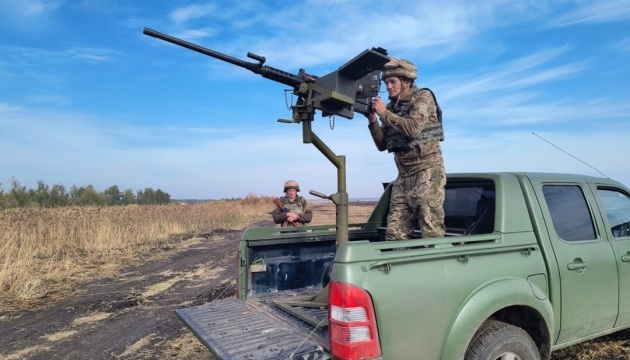
The intercept rate masks a second-order constraint: every drone shot down costs Ukraine a finite air defense asset (missile, radar cycle, or EW sortie). If Russia launches 120+ drones nightly and Ukraine maintains 80% kill rate, Ukraine is burning through approximately 100 air defense engagements per night.
At current production and Western resupply rates, that cadence is sustainable for 6-9 months before either interceptor stocks deplete or launcher availability becomes the binding limit. Raytheon and MBDA are already running Patriot and IRIS-T production at surge rates; if Ukrainian consumption exceeds 3,000 missiles per month, the supply chain enters backorder status by Q4 2026.
A sustained 82% intercept rate signals that Ukrainian air defenses remain operationally effective despite months of attrition and degradation — but the 22 drones that penetrated represent a hard floor on what Ukraine cannot stop, not a temporary gap.
Each successful penetration creates a compounding logistics problem: repair crews working around the clock, industrial capacity diverted from offensive capability, and civilian infrastructure losses that drain foreign aid faster than procurement can replace it.
Watch whether the intercept rate holds above 80% through June; a drop to 70% would indicate either sensor fatigue, munitions depletion, or Russian adaptation to Ukrainian tactics — any of which forces a recalibration of NATO air defense commitments to the region.
Does the 102-of-124 figure include both kinetic intercepts and electronic jamming, or only confirmed kills? The distinction matters for assessing whether Ukraine is running out of interceptor missiles or just degrading targeting data.
Fault Lines
Strategic intelligence, synthesized daily — with a public track record. Every call graded against what actually happened.