Russia Fires 3 Missiles and 164 Drones at Ukraine; 600K+ Lose Power in Dnipropetrovsk as Zelenskyy Links Strikes to Pre-Talk Coercion
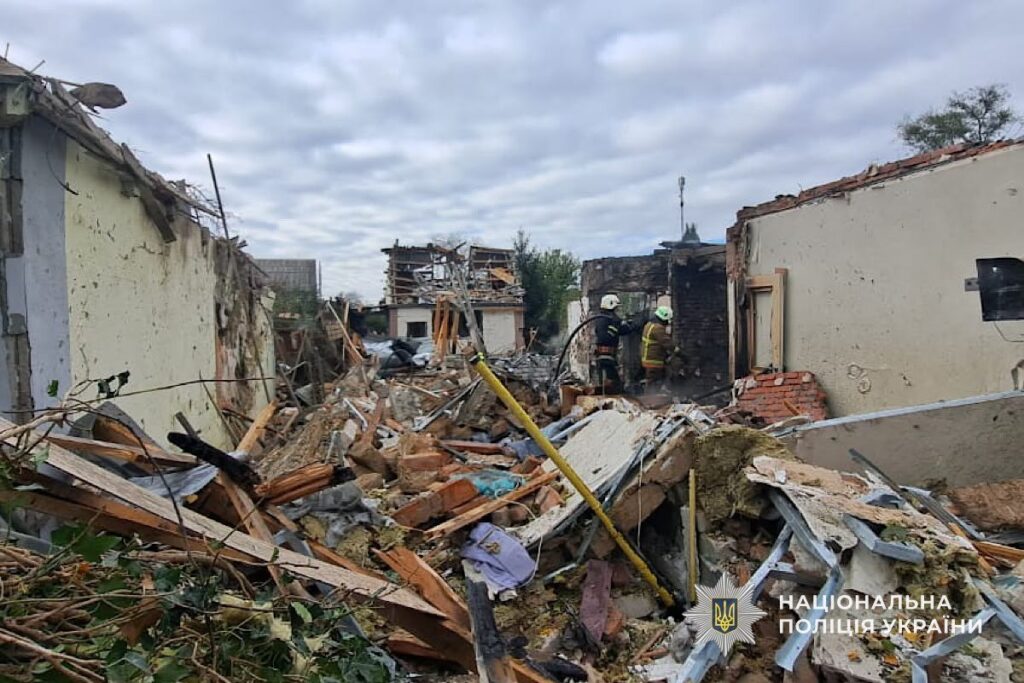
Russia fired 115 missiles and over 3,000 drones across Ukraine in the five days ending November 8, with the overnight strike alone delivering 3 Kh-59/69 guided missiles and 164 Shahed-type drones against power infrastructure across six oblasts. Dnipropetrovsk Oblast lost power to 600,000 customers; blackouts cascaded into Kyiv, Kharkiv, Poltava, and Sumy oblasts by midday.
The rate—if sustained—exhausts Ukraine's air-defense inventory faster than Western resupply can replenish it. Patriot interceptors are the binding constraint: Ukraine is short of them, Zelenskyy stated explicitly on November 7, and the US remains the primary source.
At current attrition rates against 3,000+ drones per five-day cycle, even maximum US production cannot close the gap before the power grid becomes indefensible in December.
Russia's production capacity for this volume—115 missiles plus 3,000 drones in five days—exceeds historical demonstrated output unless North Korean resupply (KN-23 ballistic missiles confirmed in the November 7 strike) or previously undisclosed stockpiles have reached operational scale.
Zelenskyy's November 7 characterization of these strikes as negotiating leverage—Russia treats diplomacy "as a subtype of aggression"—inverts the standard escalation read. Moscow is not attacking to seize territory or degrade military capacity; it is freezing civilians and degrading grid resilience to force Ukrainian concessions before talks begin.
This timing, one week before winter, maximizes both civilian suffering and political pressure on Kyiv simultaneously, while creating a secondary pressure on Washington: sustain air-defense ammunition flows at rates that may exceed US production capacity, or accept that Ukrainian negotiators will enter talks from a position of desperation. The constraint is now visible to every actor in the alliance.
If the interceptor shortage persists through November, US decision-makers face a choice between announcing a production surge (with lead times measured in months) or signaling to Zelenskyy that territorial compromise is the operative path. Neither choice can be hidden from Moscow.
The decision forcing event is the next major diplomatic engagement or POTUS call to Zelenskyy. Watch whether US commitments in that conversation include specific interceptor numbers and delivery timelines, or whether the language shifts toward settlement frameworks.
Russia's sustained strike tempo—115 missiles and 3,000+ drones in five days—is now explicitly designed to exhaust Ukrainian air defenses before winter negotiations, not to achieve military objectives.
Patriot interceptor shortage, confirmed by Zelenskyy as the binding constraint on November 7, means the US faces a binary choice: surge production (months-long lead time) or accept territorial compromise as the price of stopping the winter campaign.
The timing collapses diplomatic and military calendars into a single forcing event: if interceptor flows remain flat through December, Ukrainian negotiators enter talks with no leverage.
Moscow has weaponized the alliance's ammunition production ceiling against Ukrainian survival, making the next US commitment decision—specific interceptor numbers or settlement language—the operative tell of whether the alliance can sustain the cost of Ukrainian defense.
Has the US committed additional Patriot interceptors or air-defense ammunition in response to this week's 115 missiles and 3,000+ drones, or is the interceptor shortage now the operative constraint on Ukrainian survival through winter?
Fault Lines
Strategic intelligence, synthesized daily — with a public track record. Every call graded against what actually happened.