Russia-Iran Naval Drills Deepen Military Coordination as U.S. Nuclear Pressure Mounts
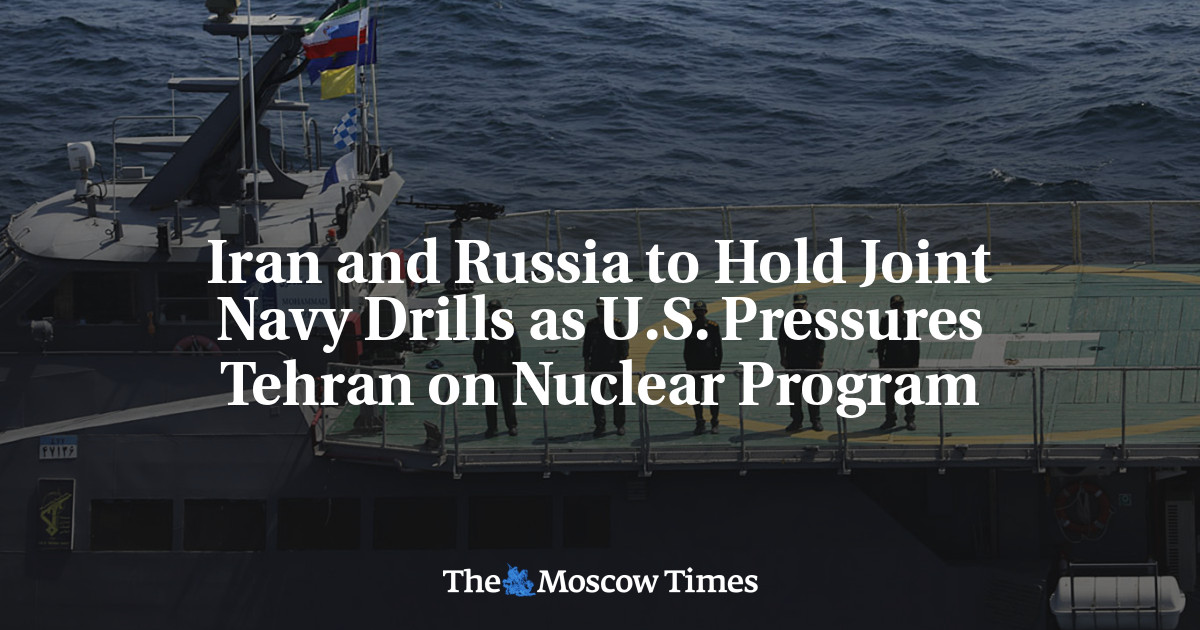
Visible Russia-Iran naval coordination in the Persian Gulf forces U.S. regional air defense and strike planning to account for two adversary navies operating in proximity, potentially stretching Fifth Fleet surface combat capacity and requiring earlier carrier deployment cycles to maintain surge readiness.
If drills become routine, Gulf shipping insurers and energy traders will price in geopolitical risk premium for Strait of Hormuz transits, raising energy hedging costs for allied economies dependent on Gulf oil—a second-order effect that surfaces in LNG contract negotiations and allied defense budget debates over energy security spending.
This signals operational deepening of Russia-Iran military integration at a moment when Tehran faces heightened diplomatic isolation.
Joint drills normalize Russian warship presence in the Persian Gulf and demonstrate Moscow is willing to absorb reputational cost of public coordination with a sanctioned actor—suggesting either confidence in sanctions resilience or acceptance of secondary sanctions risk.
For U.S. regional deterrence posture, the drills create a second peer competitor operating from Iranian territory, complicating Fifth Fleet contingency planning and raising questions about whether U.S. Central Command's current carrier strike group rotations account for coordinated Russia-Iran air defense or surface combat scenarios.
The optics matter: visible Russian naval presence in the Gulf may embolden regional allies of Iran or create pressure on Gulf Cooperation Council partners to hedge their U.S. security commitments.
The article does not specify drill duration, participating vessels (beyond Stoiky), stated objectives, or whether this represents a one-off or recurring exercise. We also lack detail on the scale of Russian commitment—is this a token presence or a sustained deployment?
Fault Lines
Strategic intelligence, synthesized daily — with a public track record. Every call graded against what actually happened.