India Interned Iranian Frigate IRIS Lavan on March 4; Timing Suggests Pre-Conflict Sanctuary Bid
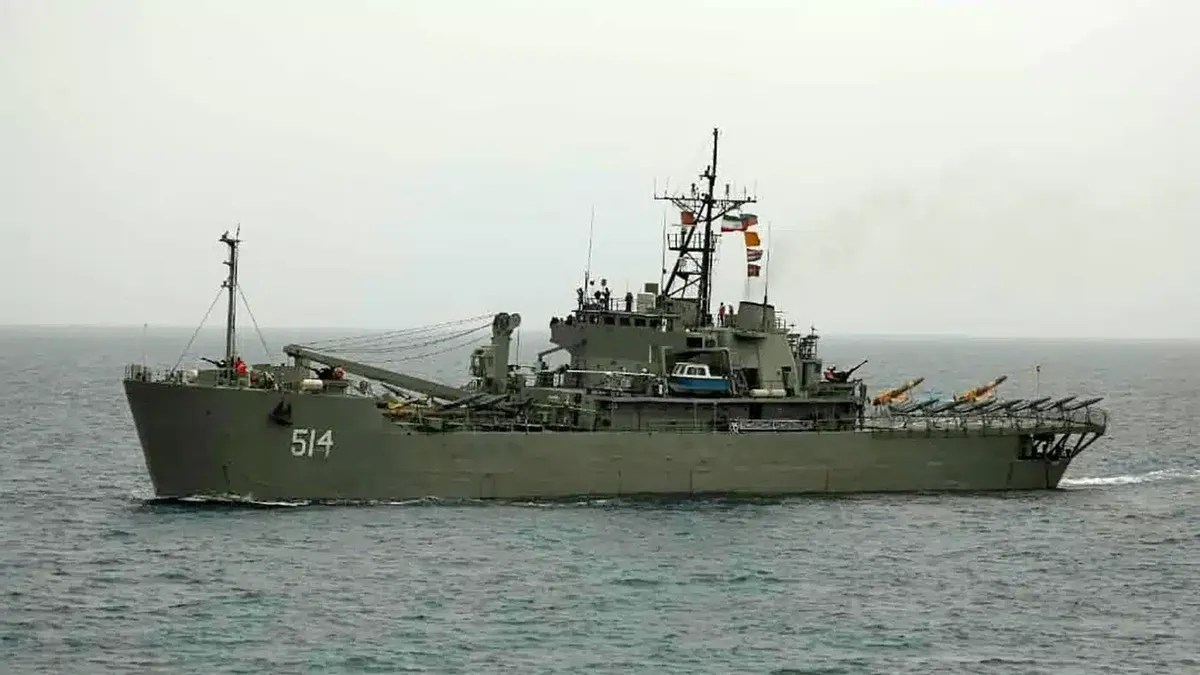
Iran's pre-conflict asset relocation to Indian waters demonstrates contingency planning for naval attrition in the Indo-Pacific theater.
If India permits indefinite internment without U.S. pressure to release the vessel, it signals that neutral states may provide de facto force preservation during great-power conflicts — a precedent that could incentivize future Iranian naval dispersal to the Indian Ocean and complicate U.S. freedom-of-navigation operations in that region.
Conversely, if the U.S. demands release or threatens secondary sanctions on India's defense-industrial partnerships, the internment becomes a friction point between Washington and New Delhi over neutrality definitions.
The February 28 Iranian request for sanctuary occurred before active U.S.-Israeli strikes on Iran (March 3 onward) and before the IRIS Dena was sunk (March 4).
This timing suggests Iran anticipated escalation and moved assets to neutral territory to preserve naval capability. India's acceptance establishes a precedent for providing sanctuary to Iranian military vessels during wartime — a neutral-state decision with implications for future Iranian asset preservation and signaling to other regional navies that India may offer refuge.
The strategic consequence hinges on whether India will release IRIS Lavan once the conflict concludes or whether the internment becomes a de facto confiscation, which would test India's neutrality posture and its relationship with both Iran and the U.S.
The article does not specify whether India imposed conditions on the internment (crew repatriation, weapons offloading, duration limits) or whether the U.S. has formally objected to the sanctuary arrangement.
Fault Lines
Strategic intelligence, synthesized daily — with a public track record. Every call graded against what actually happened.