INDOPACOM Mission Network Tested During Balikatan; Six-Nation Allied Integration Demonstrated
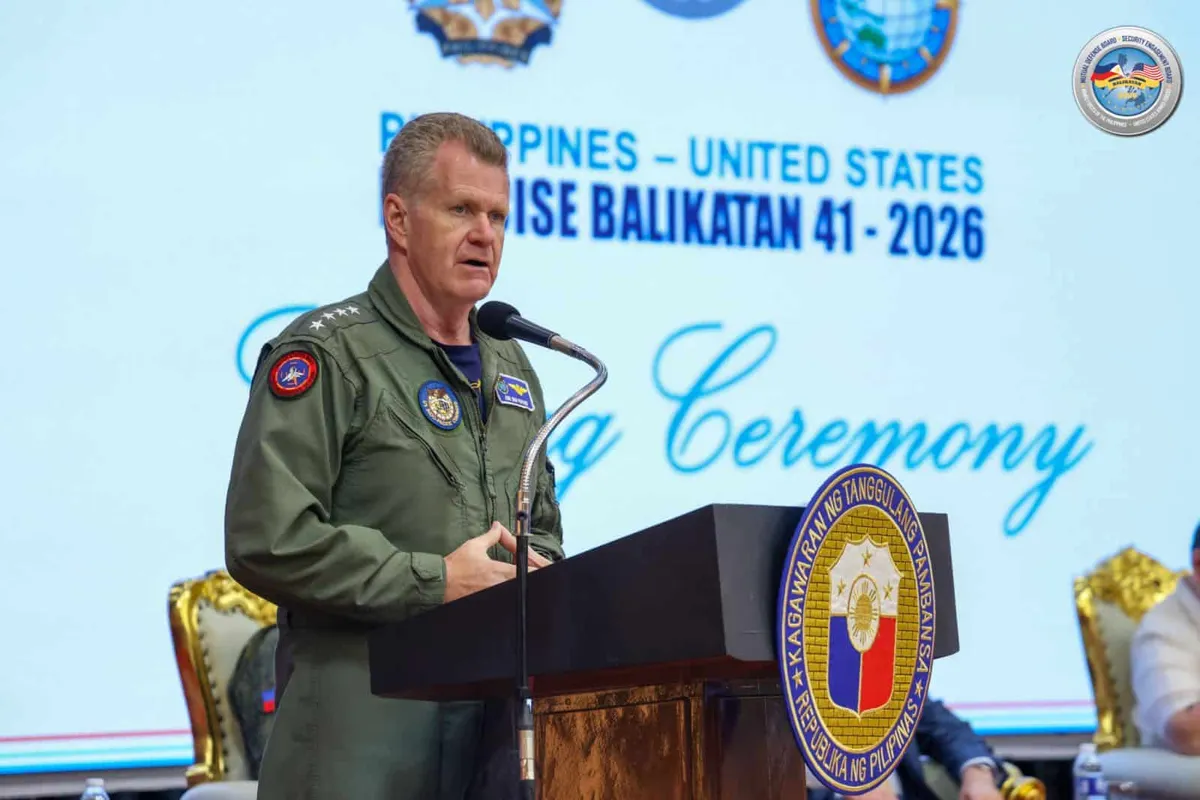
The timing is not accidental. Japan's Type 88 anti-ship missile test on May 6 and Taiwan's Hai Kun torpedo certification on May 6 occurred during Balikatan, suggesting the exercises were stress-testing allied strike coordination under the assumption that Hormuz-scale disruption could cascade to the Taiwan Strait.
If IMN successfully linked those weapons systems in a simulated scenario, it signals to Beijing that a Taiwan blockade no longer guarantees communication chaos on the allied side. Conversely, if the network is command-layer only — liaison officers coordinating via secure chat — it solves nothing operationally. The distinction will surface in INDOPACOM's budget testimony.
This is the first operational proof-of-concept for real-time allied command integration in the Indo-Pacific, and it directly addresses the coordination gaps exposed during the Hormuz escort collapse.
When Saudi Arabia and Kuwait denied U.S. airspace access on May 7, the Navy lost tactical coordination with regional partners within hours — the IMN's six-nation test demonstrates a technical workaround for that vulnerability. If the network performs under combat conditions, it shifts the burden of allied interoperability from ad-hoc liaison teams to a persistent architecture.
Watch whether INDOPACOM requests IMN hardening funds in the FY27 supplemental, or whether it remains a Balikatan experiment.
Does the IMN include data-link integration with allied air defense systems (Philippines' CRAM, Australia's SHORAD), or is it command-level messaging only? The distinction determines whether it solves the real problem — coordinated air defense during a Taiwan contingency — or remains a staff tool.
Fault Lines
Strategic intelligence, synthesized daily — with a public track record. Every call graded against what actually happened.