Anduril, Elbit America, OshKosh Team for Army Self-Propelled Howitzer Competition
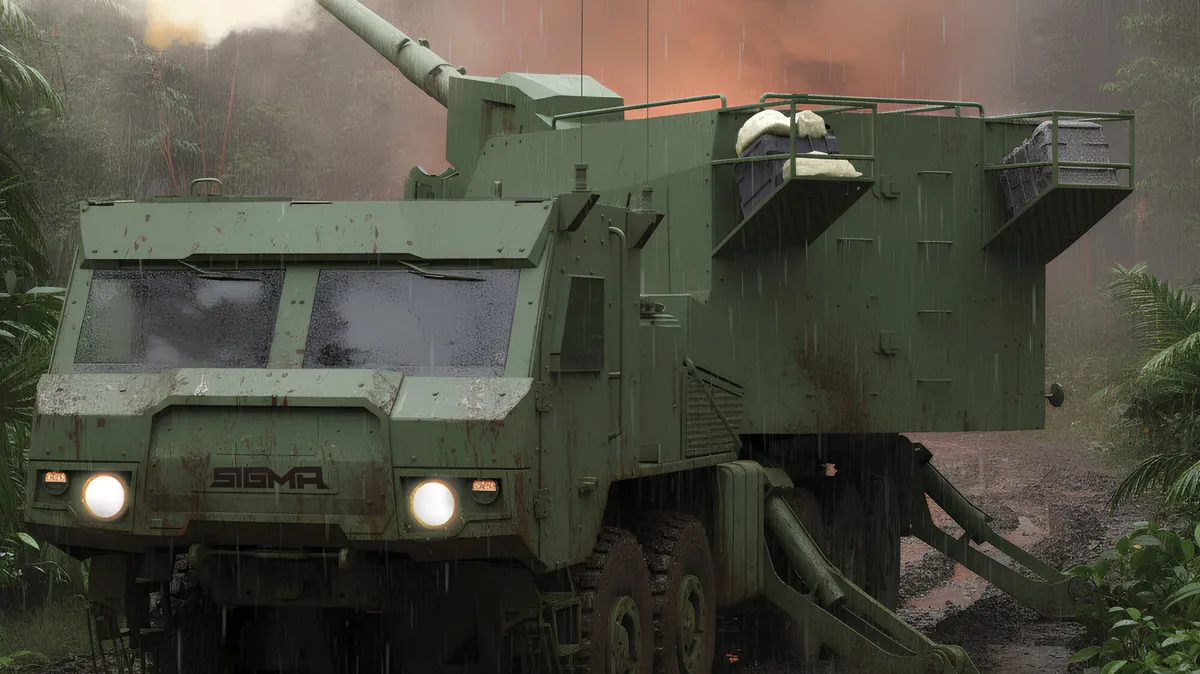
Anduril's move into ground combat platforms follows a deliberate pattern: the company secured DARPA drone contracts (2021-2023), scaled production with Series D funding ($1.5B, 2023), and is now bidding on platforms where autonomous fire control and AI-assisted targeting are becoming table stakes.
If Elbit's fire-control suite is the technical anchor, this team combines software-first autonomy (Anduril) with proven integration expertise (Elbit) and manufacturing scale (OshKosh). The Army's howitzer competition will reveal whether autonomous systems can compress the sensor-to-shooter timeline enough to justify the cost premium — if yes, every indirect fire platform modernization will follow this template.
This is a data point in an accelerating consolidation of autonomous systems and AI firepower around a shrinking number of prime-plus-specialist teams.
Anduril's entry into the howitzer competition signals the company is moving beyond drones and loitering munitions into integrated fire-control architecture — a domain where Lockheed Martin, Raytheon, and General Dynamics have dominated. If Anduril wins, it gains $1B+ in production revenue and a foothold in Army modernization contracts that feed into future indirect fire networks.
If it loses, the team learns the Army's technical requirements and can iterate for the next platform competition (FARA, ORCA, or next-gen air defense). Watch the Army's technical evaluation scorecard when it's released — specifically whether autonomous targeting and AI-assisted fire control weighted heavily in the selection criteria.
What is the contract value and production timeline? Does the Army expect a single winner or parallel development? Is this competition tied to broader Army Futures Command priorities around multi-domain integration, or is it a standalone platform upgrade?
Fault Lines
Strategic intelligence, synthesized daily — with a public track record. Every call graded against what actually happened.