Ukrainian Drones Strike Novorossiysk Oil Depot and Fuel Terminal; Russia's Third Major Refinery Hit in Four Days
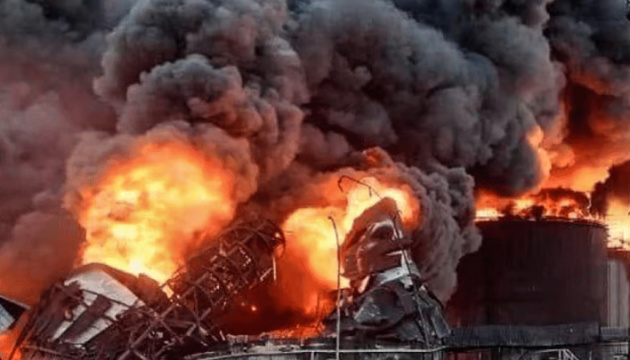
If the three strikes represent a deliberate targeting sequence rather than opportunistic strikes, Ukraine is forcing a choice on Moscow: repair critical units under drone threat (exposing them to follow-on strikes) or accept persistent capacity loss. Kstovo and NORSI are inland and harder to defend; Novorossiysk is coastal and more exposed to maritime drone approaches.
The geographic spread (Volga region + southern port) suggests Ukraine has expanded its strike radius and is not concentrating on a single facility. This compounds the refinery bottleneck already created by earlier strikes on Ryazan and Syzran — Russia's refining sector is now operating under permanent attrition, not temporary shock.
Ukraine is now executing a coordinated campaign against Russia's downstream fuel infrastructure — not isolated strikes.
Novorossiysk handles crude distillation, gasoline production, and export logistics for Russia's southern corridor. Three major processing units offline within 96 hours (Kstovo CDU-6, NORSI main unit, Novorossiysk depot) compresses Russian refining capacity by an estimated 15-20% in the European-facing supply chain.
The timing coincides with peak summer driving demand, forcing Moscow to either draw down strategic reserves or accelerate shadow-fleet circumvention — both costly and visible. Watch Russian fuel price movements and OPEC+ production guidance in early June; if Moscow cuts output to stabilize margins, it signals real supply stress rather than temporary disruption.
How much crude distillation capacity is actually offline right now across all three facilities? The articles cite unit-level shutdowns but don't aggregate the total barrel-per-day impact.
Fault Lines
Strategic intelligence, synthesized daily — with a public track record. Every call graded against what actually happened.