Germany Pivots to Ukraine Arms Co-Production After Trump Blocks Tomahawk Deployment
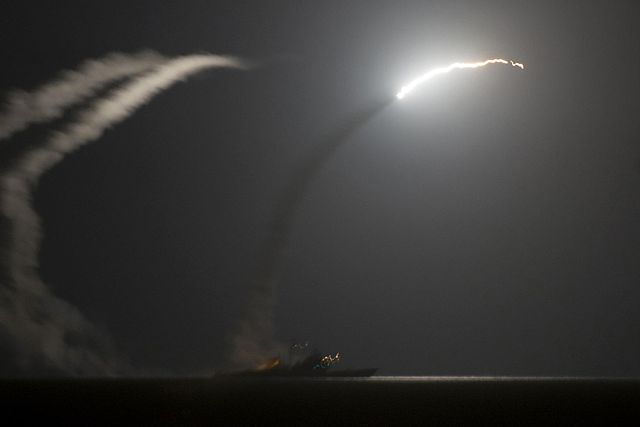
This signal tracks the erosion of the US-NATO procurement link. If Germany commits to Ukrainian co-production instead of waiting for US systems, it fractures NATO standardization — each ally now has incentive to develop national or coalition-specific platforms, multiplying logistics, training, and interoperability costs across the alliance.
The immediate consequence: US defense primes (Raytheon, Lockheed, Northrop) lose the default position they've held in European air defense and strike procurement since 2022, and European primes (Rheinmetall, MBDA, Thales) gain a rationale to bid into allied programs without US technology.
This accelerates the shift from US-led NATO procurement toward European-led alternatives — a structural move, not a single contract loss.
This is a symptom, not a strategy.
Germany is publicly signaling it cannot rely on US extended deterrence — a stark shift from the post-2022 posture.
But the proposal has three hard problems: Ukraine's defense industrial base is under sustained Russian air attack (1,600+ drones weekly per Zelensky's May 2 report), co-production timelines are measured in years while the NATO-Russia threat window is measured in months, and any German-Ukrainian arms program requires NATO consensus on technology transfer and interoperability standards that don't exist yet.
The real tell is that a mainstream CDU voice is floating this at all. It means Berlin has stopped waiting for Washington and is pricing in a permanent US withdrawal from forward deterrence in Europe.
Does the CDU proposal include a specific system (air-defense, anti-ship, land-attack), or is this rhetorical cover for the fact that Germany has no Plan B for Tomahawk denial? And what is the actual timeline — is 2030 a real delivery date or a political hedge?
Fault Lines
Strategic intelligence, synthesized daily — with a public track record. Every call graded against what actually happened.