Egypt Deploys Bayraktar Drones to Sudan Border, Conducts RSF Airstrikes
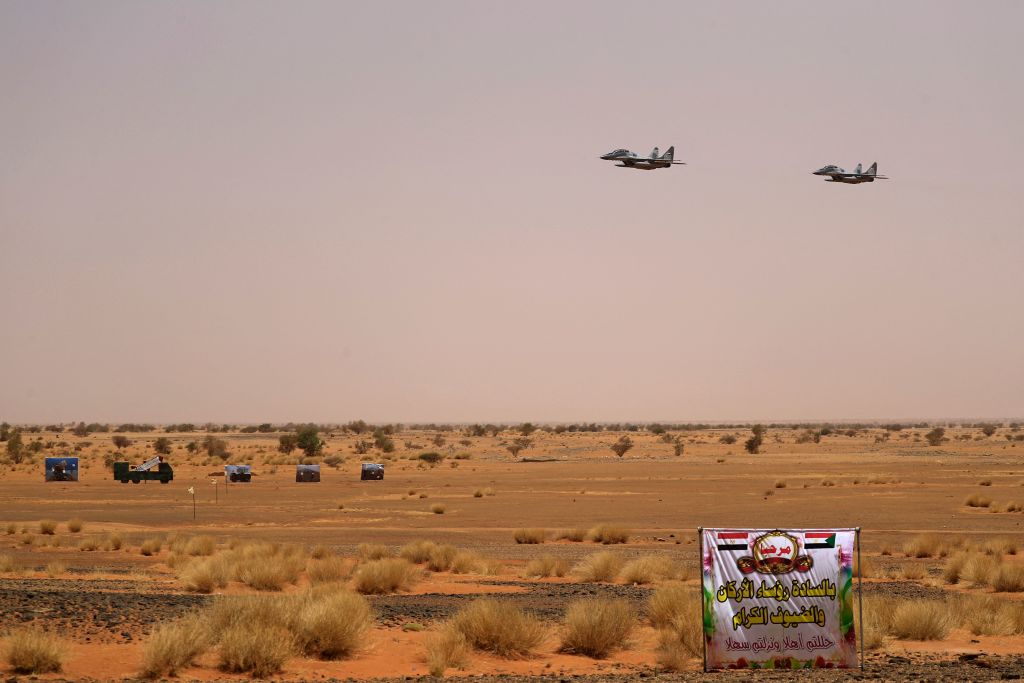
Turkish drone sales to Egypt establish a precedent for Ankara to monetize military exports in regional conflicts where NATO allies (U.S., Europe) are diplomatically neutral or divided. If Egypt's airstrikes provoke RSF cross-border terror attacks, Egypt may demand additional Turkish air support or U.S. air defense systems, creating a procurement cascade.
Conversely, if the U.S. objects to Egyptian intervention, it could trigger tension over drone technology transfer policy — forcing Turkey to choose between Egyptian revenue and NATO alignment.
Egypt's active air operations against RSF targets signal escalation from passive border defense to direct kinetic intervention in Sudan's conflict.
This exposes Egypt to potential RSF retaliation (cross-border attacks, terrorist cells) and complicates diplomatic efforts to contain the war. It also tests Turkey's willingness to support Egyptian military operations via drone sales — a signal of deepening Turkish-Egyptian defense ties that NATO and Gulf allies will monitor for precedent on drone use in regional conflicts.
The critical unknown is whether Egypt is acting unilaterally or under tacit backing from the U.S., Saudi Arabia, or UAE, which would indicate a shift in great-power tolerance for border intervention.
The article does not specify the frequency, scale, or targeting criteria of Egyptian airstrikes; whether the U.S. or other allies are providing intelligence or tacit approval; or whether RSF has retaliated or threatened to do so.
Fault Lines
Strategic intelligence, synthesized daily — with a public track record. Every call graded against what actually happened.