Air Force Extends Three A-10 Squadrons Through 2030 Amid Iran Combat Operations
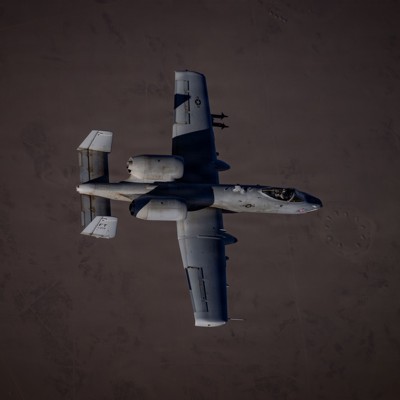
The A-10 extension is a symptom of force structure strain under dual campaigns.
Trump's $1.5T FY27 defense budget request (April 21) includes Hormuz enforcement acceleration, but the Air Force is choosing to extend a legacy platform rather than accelerate procurement of next-generation close-air-support alternatives — suggesting either insufficient budget authority for new platforms or a realistic assessment that the Iran campaign will outlast the current FYDP window.
This constrains the Air Force's ability to transition squadrons to Pacific contingency postures, which directly weakens the deterrent credibility that Singapore's Foreign Minister flagged on April 22 when he warned the Hormuz blockade is a 'dry run' for potential US-China conflict in the Strait of Malacca.
This is a tactical procurement decision, not a strategic pivot.
The A-10 is cheap to fly ($8,000–$10,000 per hour in older estimates) and purpose-built for the kind of low-intensity interdiction the Hormuz blockade and Iranian strike campaign require.
But the extension signals that the Air Force cannot yet afford to retire legacy airframes while managing two simultaneous air campaigns — the Iran strikes and the underlying Hormuz enforcement operation — without degrading readiness in other theaters.
The real cost is opportunity: those pilot hours and maintenance billets stay tied to a 1970s platform instead of flowing to F-35 or F-15EX squadrons that would strengthen Pacific deterrence. If the Iran campaign stretches past 2028, the Air Force will face a harder choice between extending the A-10 further or accepting gaps in close-air-support coverage in the Indo-Pacific.
How many A-10 sorties has the Air Force actually flown in the Iran campaign since April 20, and what percentage of daily Hormuz enforcement sorties do they represent? The article doesn't specify whether these three squadrons are already forward-deployed or are being held in reserve.
Fault Lines
Strategic intelligence, synthesized daily — with a public track record. Every call graded against what actually happened.