Philippine Marines Activate BrahMos Unit in Luzon Strait; Extended Strike Range Reaches Taiwan Approaches
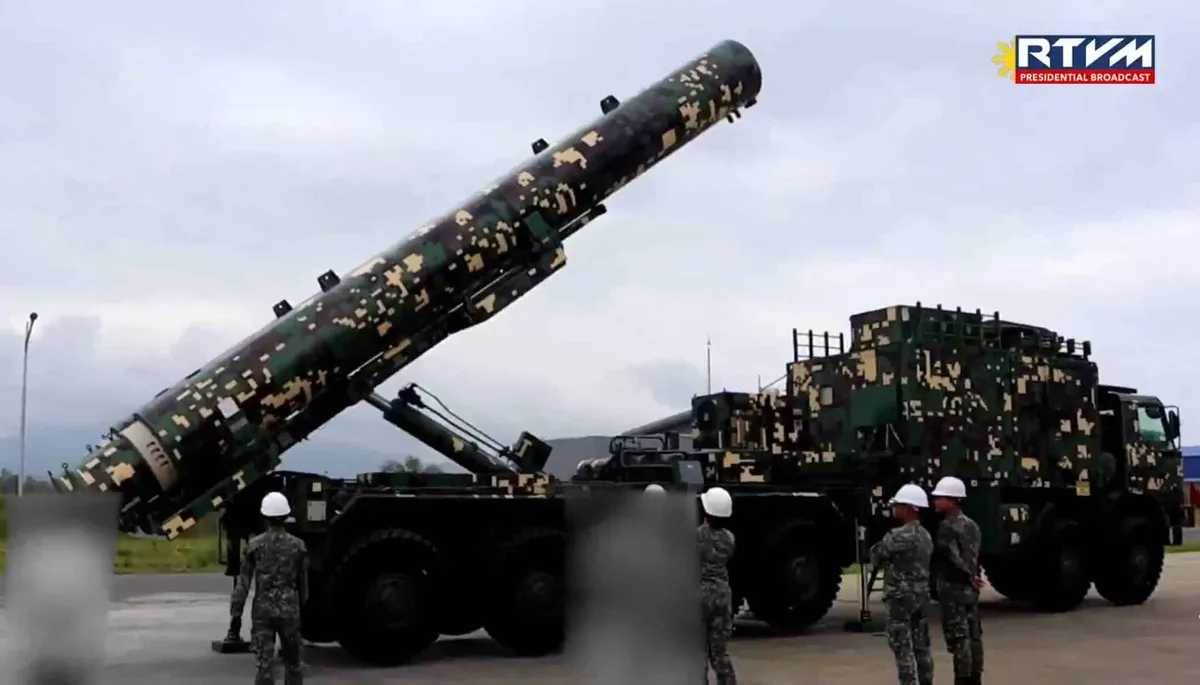
The Luzon Strait deployment creates a new cost variable for Chinese naval operations in the Taiwan approaches.
If the 273rd achieves proficiency and China assesses the threat as material, Beijing may route surface combatants further east (away from Philippine territory) or accelerate anti-ship missile defenses on its own platforms — both outcomes that increase operational friction in the strait and reduce China's freedom of maneuver during a Taiwan contingency.
This shifts the Philippines from a passive geography feature into an active denial player, which reorders allied force planning for Pacific Command.
This deployment operationalizes the first credible anti-ship missile capability in the Philippine arsenal at a specific chokepoint.
The BrahMos has a range of approximately 290 km, placing it within strike distance of Chinese surface combatants transiting the Luzon Strait — a route Beijing uses for operations near Taiwan. The unit's placement at Cape Bojeador, the northernmost major Philippine military installation, signals operational prioritization of Taiwan contingency scenarios.
However, the deployment's actual deterrent effect depends on crew proficiency (the Philippines received BrahMos systems only recently) and whether China perceives the capability as credible enough to alter transit behavior.
The article does not specify the unit's readiness level, number of missiles assigned, or timeline for achieving operational capability. It also does not clarify whether this represents the full activation of the regiment or a partial standing-up, which affects the total strike inventory available.
Fault Lines
Strategic intelligence, synthesized daily — with a public track record. Every call graded against what actually happened.