Philippines Commissions Second Sulayman-Class OPV; Marcos Attends Ceremony
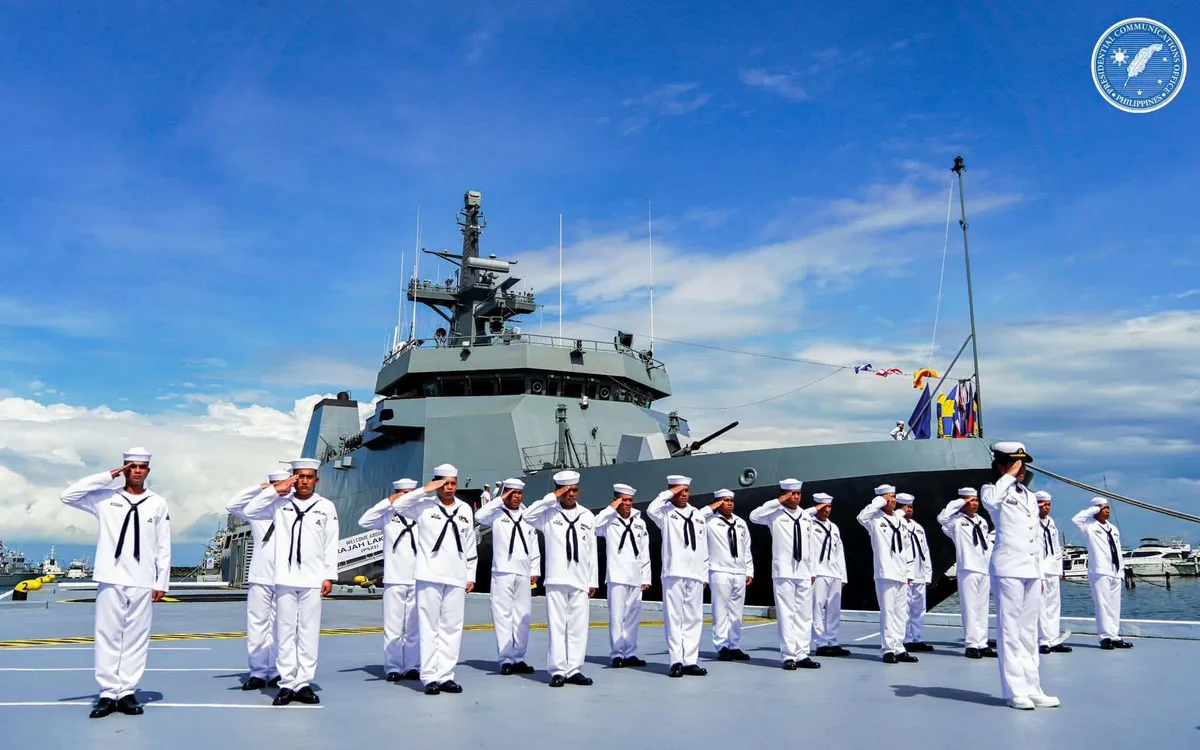
The OPV commissioning is part of a broader Philippine naval modernization effort that also includes the Frigate Acquisition Project and ongoing Coast Guard upgrades.
Each Sulayman-class vessel costs approximately $120-150M (typical for the class) and extends Manila's ability to conduct sustained patrols beyond the 12-nautical-mile territorial baseline — critical in a maritime domain where China's coast guard has adopted a strategy of presence and attrition.
If the Philippines sustains a two-year commissioning cadence, it will have 3-4 OPVs in service by 2029, which is enough to rotate one vessel continuously in the South China Sea while maintaining two for training and maintenance.
The commissioning signals sustained Philippine investment in maritime domain awareness and patrol capacity in the South China Sea, where Beijing's coast guard and militia vessels have been expanding operations.
This is the second hull of the class, confirming Manila's commitment to a multi-year procurement plan rather than a one-off purchase.
The timeline matters: if the Sulayman-class procurement follows typical South Korean naval construction cycles (18-24 months between hulls), the third vessel would enter service by late 2027 or early 2028 — overlapping with the window when INDOPACOM expects elevated PLA pressure on the Taiwan Strait and Philippine-claimed features.
Watch whether Manila orders additional hulls beyond the current batch or accelerates delivery schedules.
How many Sulayman-class vessels has the Philippines contracted total, and what is the planned delivery schedule for hulls beyond PS-21?
Fault Lines
Strategic intelligence, synthesized daily — with a public track record. Every call graded against what actually happened.