Israeli raid kills 41 in Lebanese village; ground offensive enters populated areas
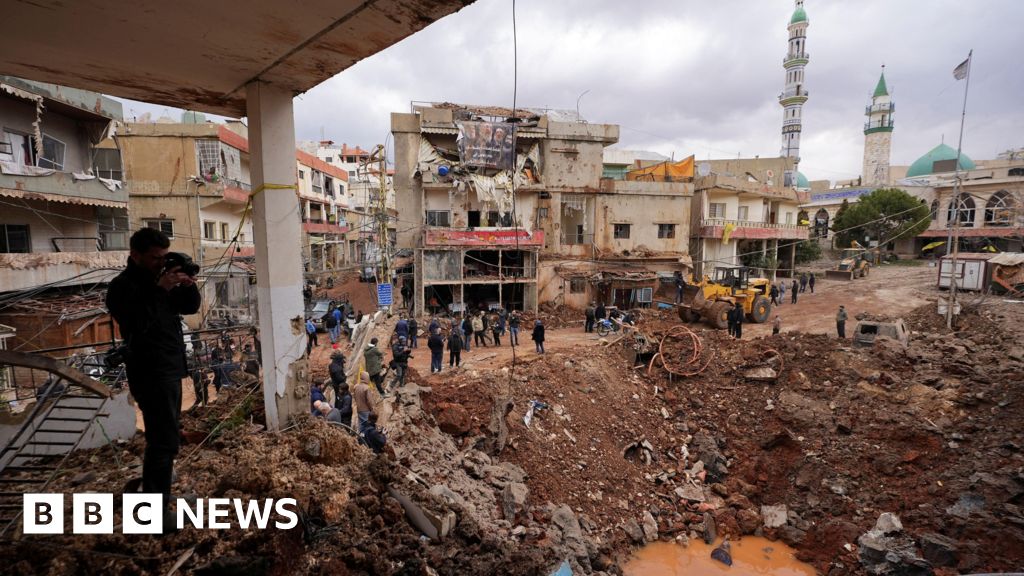
The shift from border operations to village-level raids in populated Lebanon increases the risk of a third-party intervention trigger. If civilian casualty counts exceed thresholds that trigger Arab League or UN Security Council action, diplomatic pressure could fracture the U.S.-Israel operational consensus that has held through the Iran air campaign.
Simultaneously, each escalation in Lebanon creates a parallel retaliation vector: Hezbollah can respond independently of Iran, fragmenting the conflict into two separate but reinforcing campaigns that complicate U.S. force allocation and allied air defense commitments.
This raid demonstrates the ground offensive already underway (per March 6 signal) is now entering densely populated civilian areas, not just border positions or Hezbollah strongholds.
Casualty scale and village-level targeting create pressure for Lebanese state or Hezbollah retaliation, which could trigger another cycle of cross-border strikes. The operation also increases civilian displacement and humanitarian claims that may constrain allied support — U.S. and European backing for Israeli operations depends partly on civilian casualty management.
Watch whether Lebanese government or Hezbollah responds with strikes into northern Israel or whether Iran escalates in parallel.
The article does not specify the stated military objective of the raid, whether the village had confirmed Hezbollah presence, or how many of the casualties were combatants versus civilians — critical details for assessing whether this reflects deliberate targeting of civilian areas or collateral dam...
Fault Lines
Strategic intelligence, synthesized daily — with a public track record. Every call graded against what actually happened.