Ukrainian Drone Makers Court Japan, Taiwan as First Island Chain Demand Accelerates
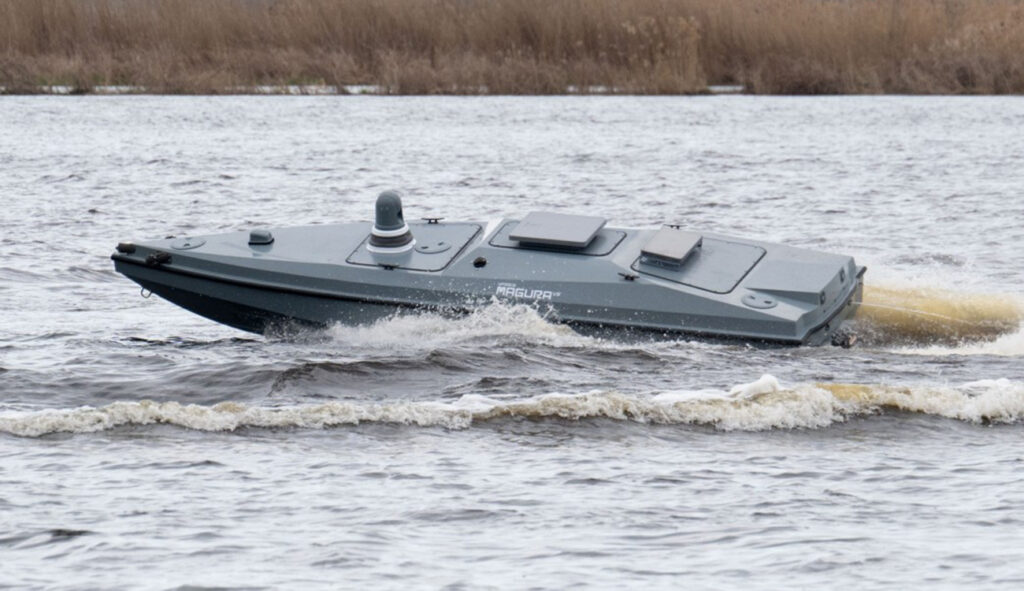
If Tokyo or Taipei signs a deal, it triggers two cascades. First: ITAR exemption negotiations with State and Defense. Ukrainian drones likely contain US components (engines, sensors, comms); exporting them to Japan/Taiwan requires either component substitution or a formal waiver — a 6–12 month process that State has been reluctant to expedite even for NATO allies.
Second: US defense primes (General Atomics, AeroVironment) lose potential sales to allies who now have a cheaper, faster alternative. This matters less for high-end ISR platforms but cuts into the tactical/loitering munition market where margin is already thin.
Japan and Taiwan face acute drone attrition and production bottlenecks — neither has scaled domestic manufacturing to match operational losses.
Ukraine's offer of proven platforms with 18+ months of combat data against peer adversaries (Russian air defenses, electronic warfare) provides a credible alternative to waiting 3–4 years for domestic programs or negotiating US technology transfer restrictions.
The mechanism is urgent: if Taiwan sources Ukrainian drones now, it diversifies supply away from sole-source US dependence and reduces lead times on critical inventory before a PLA contingency. Watch whether Japan's Defense Ministry formally commits to procurement by Q4 2026 — that signals Tokyo is hedging against US industrial capacity constraints in a two-front scenario (Taiwan + Korea).
What specific drone platforms are Ukrainian firms pitching — loitering munitions, ISR-focused systems, or both? The article doesn't name the systems or their technical specifications relative to US equivalents (RQ-180, Switchblade).
Fault Lines
Strategic intelligence, synthesized daily — with a public track record. Every call graded against what actually happened.