Sweden's frigate buy restores NATO blue-water presence but leaves capability gap
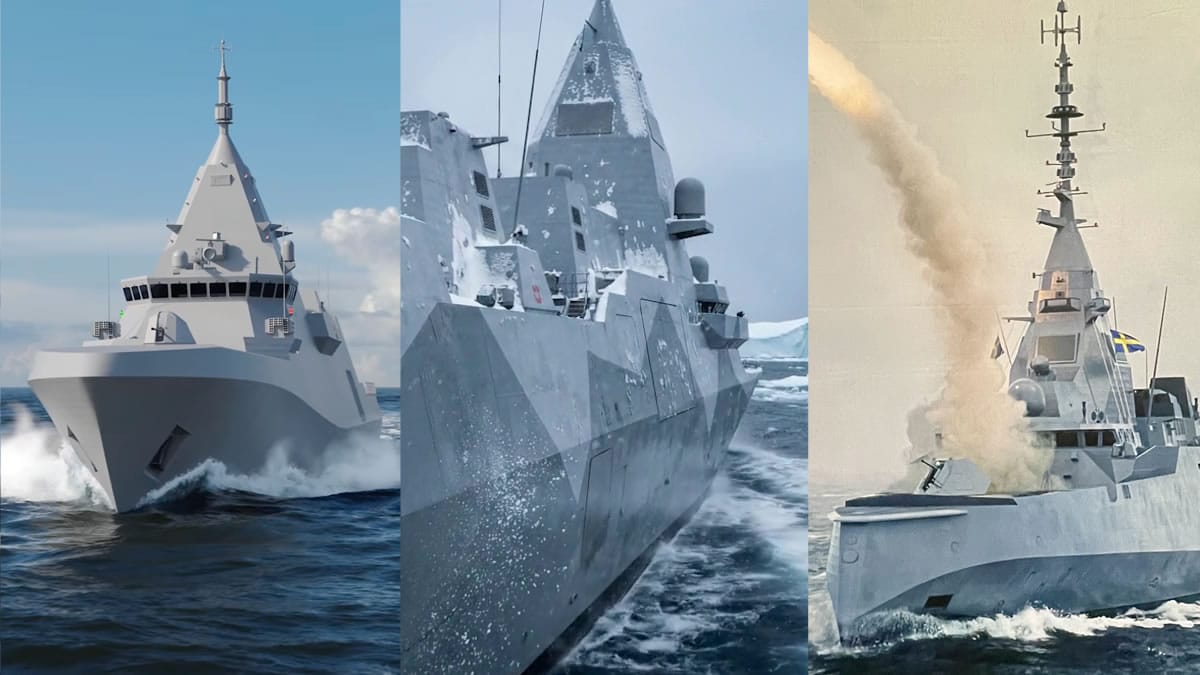
If Sweden adopts a NATO-standard frigate (e.g., FREMM or Iver Huitfeldt-class), it creates a procurement anchor for other Nordic/Baltic states evaluating similar capability gaps, potentially accelerating orders to European yards and raising competition for Damen and Fincantieri.
Conversely, if Sweden pursues a domestic or non-NATO design, it signals confidence in Swedish naval independence but complicates interoperability in NATO task groups where standardization reduces training and logistics overhead — a cost Sweden absorbs unilaterally.
Sweden's frigate acquisition addresses a real capability deficit — the RSwN has operated without modern frigates for years — but the signal is incomplete for procurement planning.
Investors and program managers need to know: (1) which frigate class Sweden is pursuing (domestic Visby modernization, foreign design, or NATO standard), (2) the acquisition timeline and budget, and (3) industrial lead — whether this triggers Swedish shipyard work or imports from Damen, Fincantieri, or another European builder.
The NATO angle matters: if Sweden commits to a non-interoperable design, it fragments Baltic/North Sea task group integration; if it adopts a NATO standard, it could drive allied procurement clustering. Without those specifics, this is a statement of intent, not a decision.
What frigate class is Sweden acquiring, when, at what cost, and from which builder — or is this still in the requirements phase?
Fault Lines
Strategic intelligence, synthesized daily — with a public track record. Every call graded against what actually happened.