A-10 Combat Role in Hormuz Strait Reframes Retirement Debate Amid Active Iran Strikes
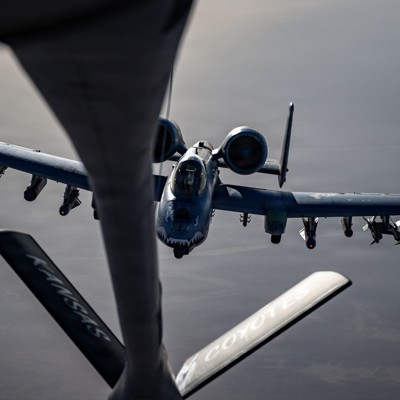
If A-10 deployment reveals that the Air Force lacks sufficient platform capacity or endurance for sustained anti-ship operations in high-threat environments, this cascades into the FY27 budget cycle as a procurement argument — but only if the article's framing (A-10 as indispensable asset) reflects actual capability gaps rather than asset availability.
The more likely scenario is that A-10s are being used tactically because they are forward-deployed and available, not because they are irreplaceable; this conflates operational deployment with strategic necessity.
The A-10's deployment in active anti-ship operations against Iranian boats in the Strait of Hormuz demonstrates a platform capability match to a current tactical need — but the article does not establish whether A-10s are filling a gap that other platforms cannot, or whether they are simply available assets being used because they exist.
The retirement debate is a budget allocation decision; this signal alone does not show that preserving A-10 production is more cost-effective than accelerating MQ-9 Reaper or F-35 procurement for the same mission. Congress will weigh this operational data against sustainment costs for an aging airframe (average A-10 fleet age exceeds 30 years).
The real decision variable is whether this deployment reveals a capability shortage in the Navy or Air Force's anti-ship inventory — the article does not address that.
The article does not specify how many A-10s are deployed, how many sorties have been flown, what percentage of anti-ship targeting is being handled by A-10s versus other platforms (Navy F/A-18s, Air Force F-16s, drones), or whether the A-10's loiter time and gun accuracy are delivering measurably be...
Fault Lines
Strategic intelligence, synthesized daily — with a public track record. Every call graded against what actually happened.