Air Force Awards Small-Engine Contracts for Autonomous Combat Aircraft Prototypes
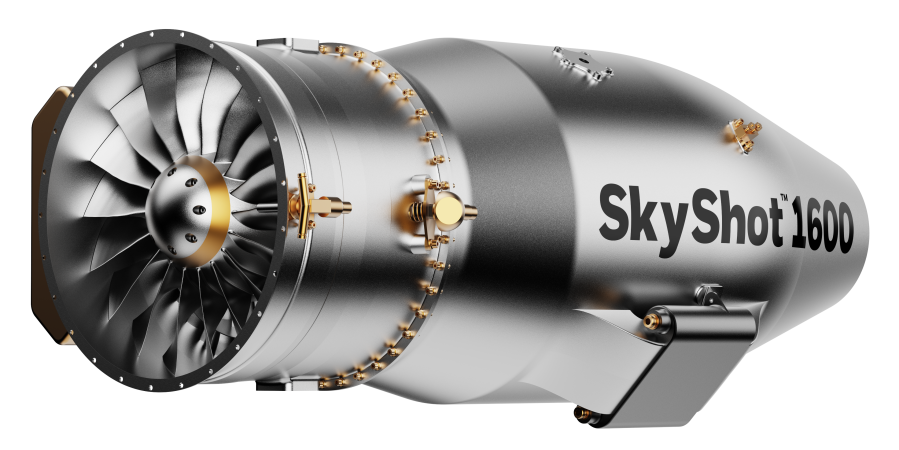
Small-engine selection for CCAs reduces per-unit operating costs and enables distributed basing, which directly affects how many aircraft the Air Force can sustain on a fixed budget and where they can operate from.
If confirmed as a cost-reduction lever, this competes with manned fighter sustainment for depot capacity and engine overhaul resources — forcing explicit trade-offs in FY27-28 budget marks between F-35 Block 4 and CCA production ramps.
Engine supplier selection also gates interoperability: if CCA engines differ from F-35 or F-15EX powerplants, supply chain redundancy erodes, creating a single-point failure risk in contested logistics environments.
CCA engine selection will constrain range, endurance, and operational flexibility for a platform designed to operate in contested airspace alongside manned fighters.
Small engines imply design trade-offs toward attrition tolerance and distributed operations rather than persistence — a doctrine shift with implications for basing, logistics, and squadron composition. The two-team approach preserves competitive optionality through at least the prototype phase, delaying engine-down-select decisions that would lock supplier relationships and production tooling.
This matters most to GE Aviation, P&W, and CFM International, whose commercial and military engine portfolios will compete or integrate into the eventual production contract.
The article does not identify the two industry teams, contract values, prototype delivery dates, engine thrust class, or whether small engines represent a cost-reduction mandate versus a capability-driven design change.
Fault Lines
Strategic intelligence, synthesized daily — with a public track record. Every call graded against what actually happened.