Czech Drone Supplier Hit by Suspected Arson; Defense Firms Harden Physical Security
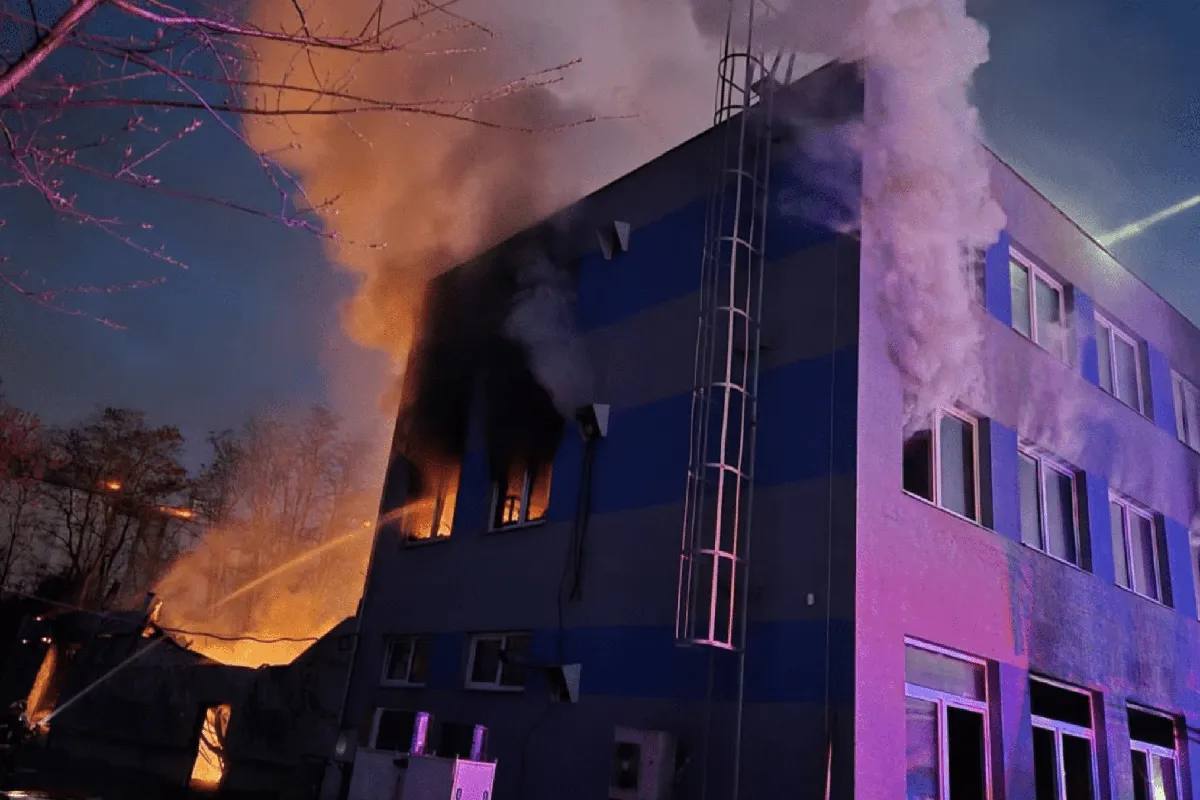
If this fire was deliberate sabotage, it exposes a gap in Ukraine's drone supply resilience: production concentration in a single allied nation creates a choke point that adversaries (Russian intelligence, proxy actors, or state-sponsored operatives) can target with lower escalation cost than battlefield strikes.
Czech security hardening may reduce near-term vulnerability but does not address the underlying concentration risk—forcing Ukraine or NATO to either diversify production (multi-country manufacturing), increase buffer stocks, or accept supply volatility tied to facility security incidents.
If confirmed as deliberate sabotage rather than accident, this signals targeting of Ukraine's drone supply chain outside the active theater—a shift from battlefield attrition to supply-base vulnerability.
Czech defense firms now face elevated operational risk that may delay or fragment drone deliveries to Ukraine. The incident occurs as Israel-Iran strikes (March 21-23) have demonstrated the viability of striking dual-use infrastructure; adversaries may be applying that logic to allied defense manufacturing. However, a single incident at one facility does not yet establish a pattern of coordinated sabotage campaigns.
The article does not confirm whether the fire was intentional, accidental, or still under investigation. No damage assessment, production status, or timeline for resumption is provided. Attribution—if sabotage is confirmed—remains absent.
Fault Lines
Strategic intelligence, synthesized daily — with a public track record. Every call graded against what actually happened.