Iran War Extends to Azerbaijan, Indian Ocean; Supply Chain Exposure Widens Beyond Middle East
Geographic expansion forces a three-theater readiness posture (Middle East, Caucasus, Indo-Pacific) that compresses US Navy and Air Force availability for Taiwan contingencies. If Azerbaijan becomes contested, US European Command must commit air defense and ISR assets that would otherwise flow to Pacific Command — directly reducing the margin of readiness for a China scenario.
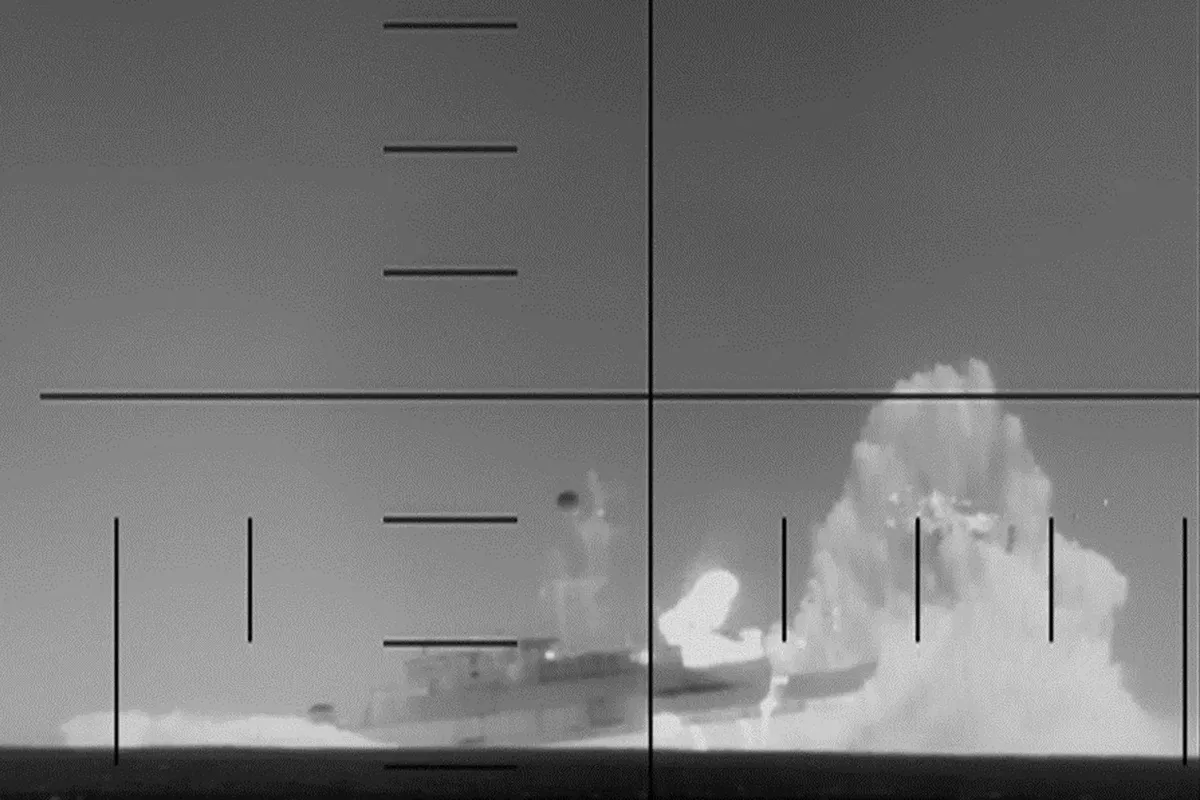
Simultaneously, Iranian naval operations in the Indian Ocean (frigate sinking confirmed March 4) require continuous carrier or submarine presence in waters that also serve as chokepoints for US-allied commerce to Japan and South Korea, creating a resource competition between deterrence and commerce protection.
The geographic expansion matters primarily for defense supply chain exposure and allied force posture planning.
If Azerbaijan becomes an active theater (via Iranian retaliation or proxy activity), this creates a new logistics corridor that US Central Command and European Command must now defend simultaneously — stretching air defense and ISR assets.
The Indian Ocean extension (already confirmed by the March 4 frigate sinking) forces Indo-Pacific Command to allocate naval assets to Iran contingencies rather than Taiwan or South China Sea presence. However, the article does not name specific new incidents, units deployed, or capability gaps — it is a synthesis piece, not reporting of new facts.
Decision-makers should treat this as confirmation that the conflict is genuinely multi-theater, not as evidence of imminent new escalation.
The article does not specify: (1) which Azerbaijan actors are involved or at what level of Iranian escalation; (2) what new drone systems or proliferation risks have materialized (vs. existing concerns); (3) what Turkish military posture changes have occurred or are planned; (4) whether US or allied...
Fault Lines
Strategic intelligence, synthesized daily — with a public track record. Every call graded against what actually happened.