NASA Unveils $10B CLPS 2 Lunar Delivery Pool and $1.3B VADR Launch Awards at MAX POWER
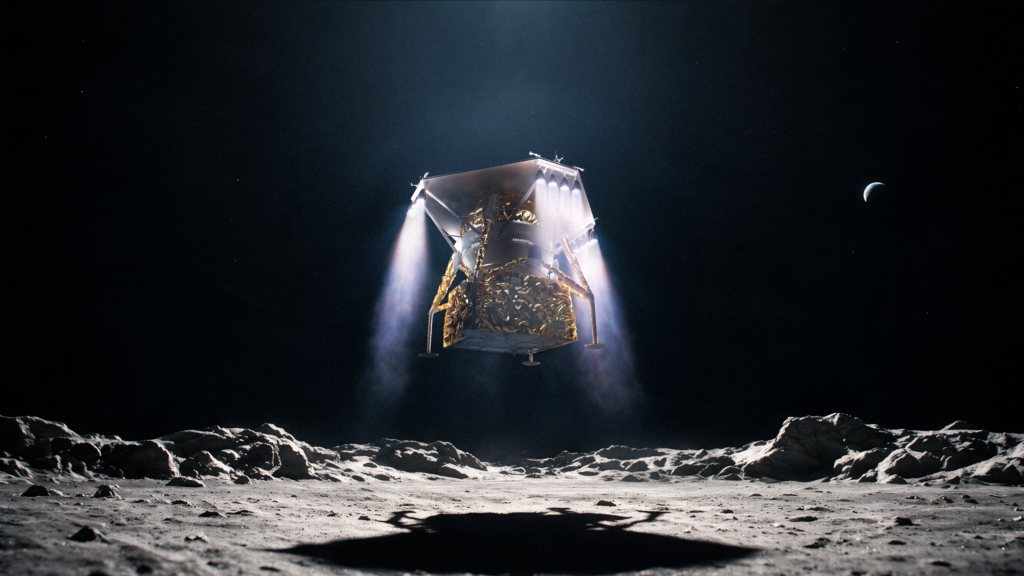
If VADR's payload-shuffling flexibility proves out across SpaceX, Blue Origin, Impulse, and Relativity missions, NASA gains a procurement lever that decouples launch scheduling from hardware readiness — reducing the program-level risk that grounded several CLPS 1.0 missions.
That model, if it holds, puts pressure on Firefly and Intuitive Machines to accelerate lander maturity or risk losing cargo allocations to more schedule-reliable competitors. The PROMISE rover's sub-$400M cost target, built from Curiosity and Perseverance spare parts managed by JPL, also sets a benchmark that commercial polar-access proposals will need to undercut to win future site-survey work.
Northrop Grumman, ispace-U.S., and Voyager Technologies enter the CLPS vendor pool for the first time under CLPS 2, reshaping the competitive field for Phase 2 landers carrying 2 to 6 metric tons.
Voyager's inclusion is notable because it acquired former CLPS 1.0 vendor Astrobotic in July, effectively recycling that industrial capacity into the new contract. The VADR buy-now, payload-later structure gives NASA Administrator Jared Isaacman's team flexibility to reassign cargo as hardware matures — a direct response to the rigidity of CLPS 1.0's all-or-nothing mission model.
Which of the eight CLPS 2 vendors have flight-proven Phase 2 lander hardware, and how many task orders does NASA expect to issue in the first two years of the 10-year contract?
Fault Lines
Strategic intelligence, synthesized daily — with a public track record. Every call graded against what actually happened.