Trump Signs Quantum Computing Orders; Cryptographic Vulnerability Window Opens for Defense Systems
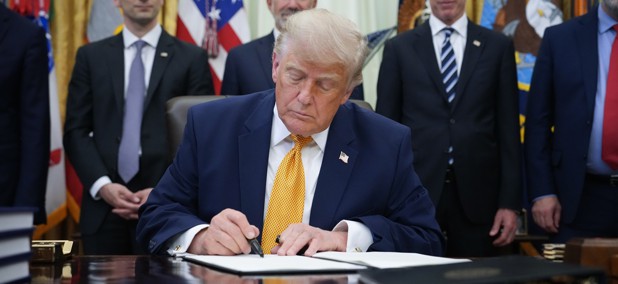
The order is defensive — it does not accelerate U.S. quantum computer development. That distinction matters. If China or Russia achieves a cryptographically-relevant quantum computer first, the U.S. military's advantage in encrypted communications and weapons guidance systems collapses instantly.
The real competition is not quantum computing capability itself but the race to quantum-resistant cryptography standards and deployment.
NIST's post-quantum standardization process is on track for final standards in 2024 (per prior announcements), but fielding those standards across DoD's legacy infrastructure — much of it running 15-20 year old systems that cannot be patched remotely — will take years and billions in unbudgeted migration costs.
The Pentagon and intelligence community face a hard timeline to migrate classified networks and weapons systems off vulnerable cryptography before a quantum computer capable of breaking current encryption emerges — a window that could close within 5-10 years depending on technical breakthroughs.
NSA, CISA, and the services now have explicit presidential mandate to inventory systems still using legacy encryption, identify which ones touch nuclear command-and-control or ICBM targeting data, and prioritize replacement.
The constraint is not policy clarity but fabrication capacity: the Defense Information Systems Agency (DISA) can transition roughly 2,000-3,000 systems annually; DoD operates approximately 15,000 classified networks.
If quantum-resistant cryptography standards aren't finalized and fielded at scale by 2028-2030, the Pentagon risks a multi-year gap where adversaries with quantum capability could retroactively decrypt stored classified traffic — including strategic communications, weapons designs, and intelligence collection methods.
Watch the National Institute of Standards and Technology (NIST) post-quantum cryptography standardization timeline and DoD's FY27 budget request for CISA migration funding.
What is the actual inventory of DoD and IC systems still running vulnerable cryptography, and which ones touch strategic nuclear command systems? Does the order establish a classified deadline for cryptographic transition, or is it advisory?
Fault Lines
Strategic intelligence, synthesized daily — with a public track record. Every call graded against what actually happened.