EU Energy Reserves Face 72-Hour Depletion Risk as Hormuz Strait Blockade Cuts 3M Barrels/Day
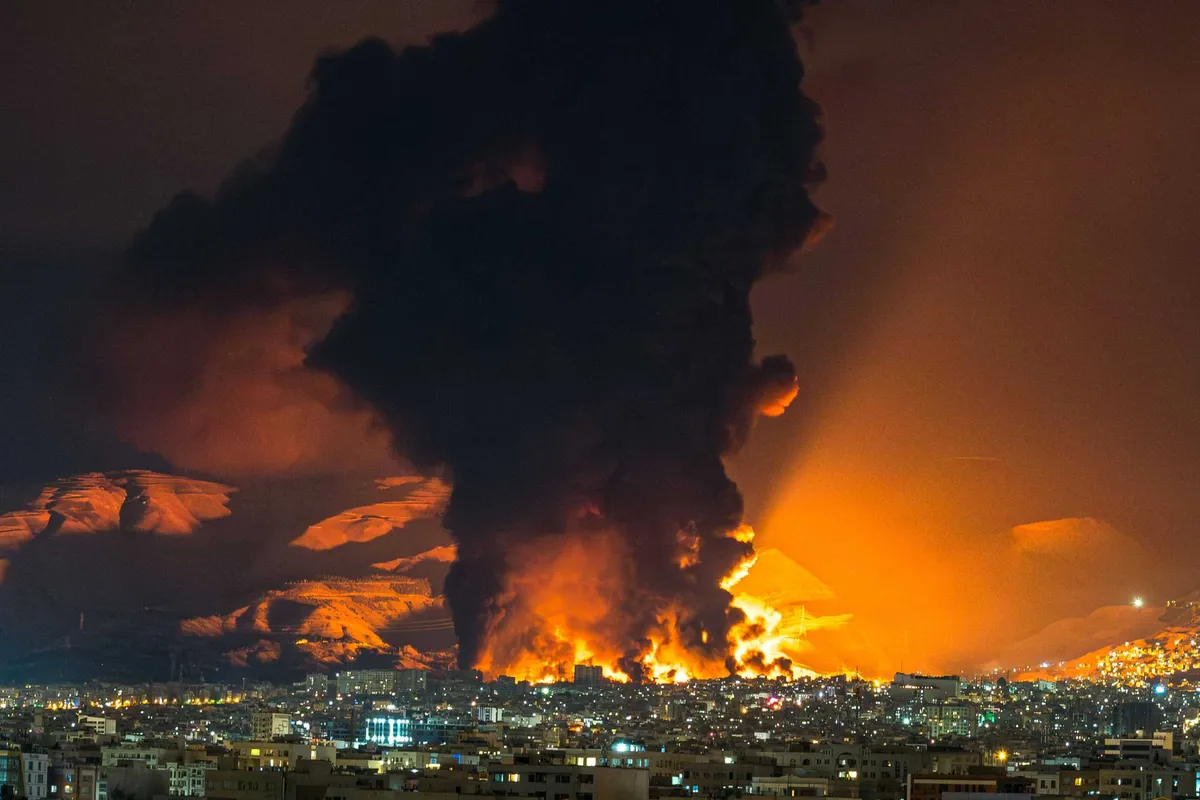
Energy scarcity converts alliance cohesion into a rationing problem. If Hormuz closure persists beyond 5-7 days, individual EU members facing heating/industrial shortfall will break ranks and negotiate bilateral Russian supply deals, undermining sanctions enforcement and NATO industrial base coordination.
This directly undermines the US-led conflict strategy, which depends on allied energy resilience to sustain sanctions pressure on Iran and avoid forcing European defection to Moscow.
The Hormuz Strait attacks (10 vessels hit since March 1, per UKMTO) have already constrained supply; the Fault Lines record shows Iran has conducted 28 documented strike waves and IRGC claimed a strike on Camp Arifjan on March 11.
If the strait remains contested for more than 72 hours, EU strategic petroleum reserves (SPR) deplete at an estimated 3M barrels/day shortfall, forcing either demand destruction or Russian energy re-engagement at politically unacceptable terms.
The ECFR analysis assumes reserves exist and are accessible—but does not address whether EU member states will coordinate drawdown or compete for allocation, a coordination failure that could fracture the bloc faster than supply shock itself.
The article does not specify: (1) current EU SPR inventory levels or depletion timeline under sustained Hormuz closure; (2) which EU members have adequate reserves vs. which face immediate shortfall; (3) whether EU coordination mechanisms (IEA agreement, EU Energy Council) are operationalized or sti...
Fault Lines
Strategic intelligence, synthesized daily — with a public track record. Every call graded against what actually happened.