Israel and U.S. Launch Coordinated Strikes on Iran; Escalation Triggers Defense Posture Review
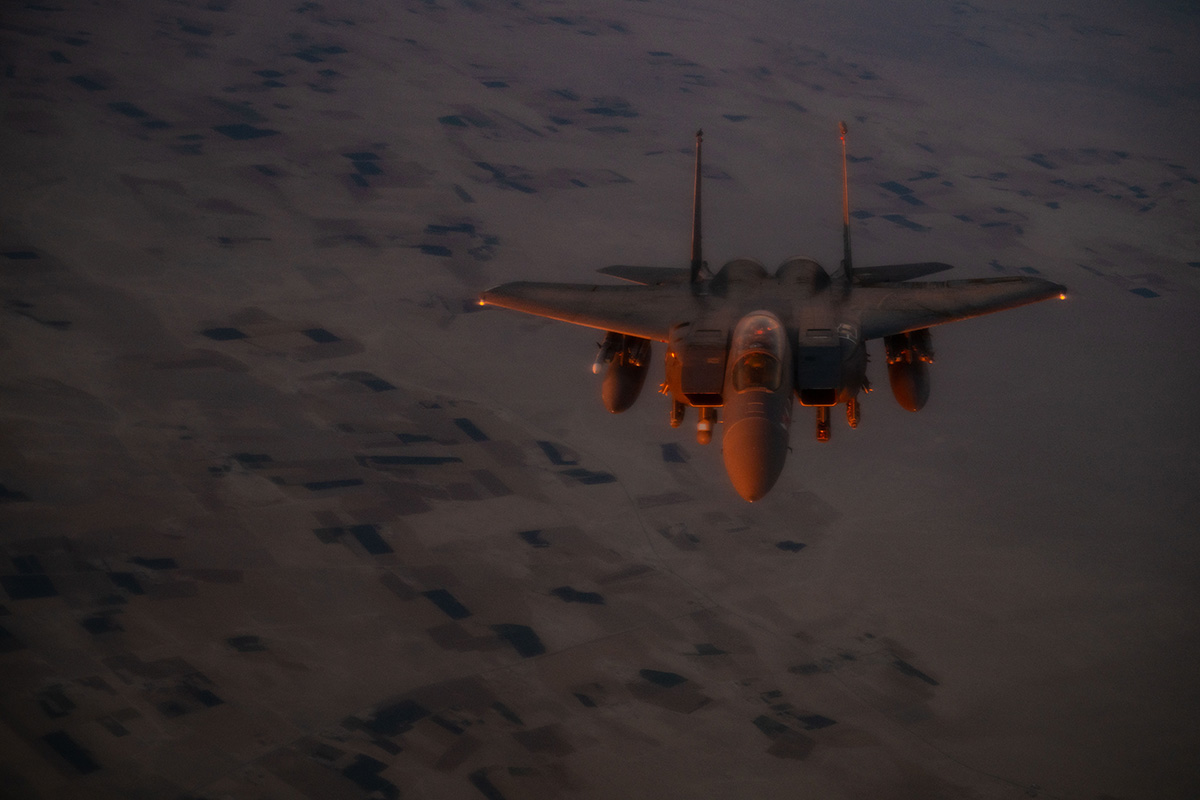
If U.S. forces conducted direct strikes alongside Israel, this breaks from the Obama-era and Trump-era precedent of providing ISR, air defense, and logistics while Israeli forces execute.
Direct U.S. participation shortens the decision cycle for future operations and locks American force posture into the region — meaning Central Command will need to pre-position air defense, munitions, and tanker capacity that was previously allocated to Pacific contingencies or Europe rotations. This directly competes for procurement dollars and deployment schedules.
This marks the first publicly confirmed joint U.S.-Israel kinetic operation against Iranian territory in the current conflict cycle.
If this represents a shift from previous U.S. posture (which has historically avoided direct strikes on Iranian soil), it signals a recalibration of risk tolerance in the region and will force immediate reassessment of force positioning, air defense coverage, and escalation timelines across the Middle East theater.
Defense contractors with regional logistics, air defense systems (Raytheon, Lockheed Martin), and naval operations (General Dynamics) will face demand signals for surge capacity and expedited deliveries.
The scope and targets of the strikes remain unknown — precision strikes on nuclear facilities carry different implications than strikes on military bases or proxy networks — making damage assessment critical to understanding whether this is a contained operation or the opening phase of broader escalation.
The article does not specify: (1) What targets were struck and whether they included nuclear-related facilities; (2) Extent of U.S. participation (air support, electronic warfare, logistics, or direct strikes); (3) Iranian military response or declared retaliation timeline; (4) Damage assessment or...
Fault Lines
Strategic intelligence, synthesized daily — with a public track record. Every call graded against what actually happened.