Swedish Gripens Intercept Russian Su-24, Su-34 Over Baltic; Second Scramble in 24 Hours
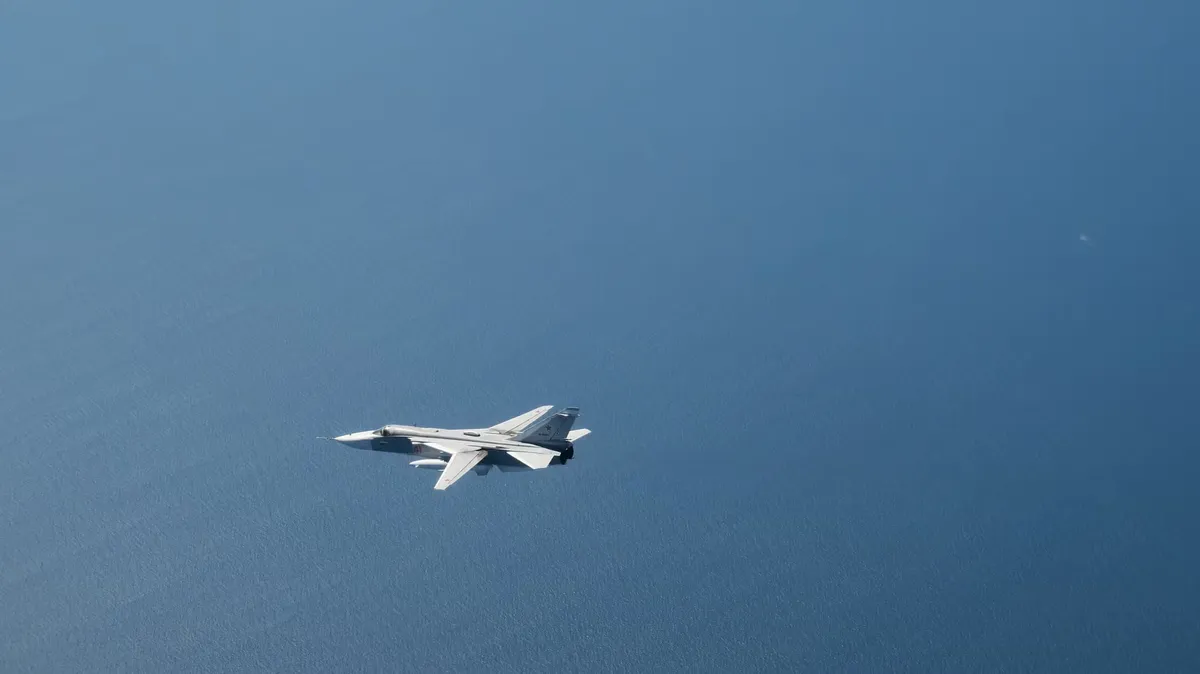
If Russian probes are accelerating in the Baltic, the operational pressure cascades into two constraints: first, Swedish Gripen availability for NATO's broader European air defense (reducing the pool for any potential Taiwan contingency rotations or NATO rapid-reaction commitments); second, the sustainability of the QRA model itself.
Two scrambles per day at peacetime manning levels is manageable for weeks, not months. If this becomes the new normal, Sweden faces either requesting NATO burden-sharing on QRA costs or accepting degraded response times. Either choice signals alliance stress.
Routine intercepts have become the baseline NATO posture in the Baltic, but the doubled frequency in 24 hours signals either a shift in Russian probe tempo or Swedish QRA responsiveness entering a higher operational tempo.
For Swedish Air Force command, this means sustained high-alert rotations consuming pilot hours and maintenance cycles faster than peacetime budgets anticipated — a constraint that will surface in FY2027 operational readiness reporting.
Watch whether the Swedish Ministry of Defence requests emergency Gripen sustainment funding in the autumn budget revision, or whether NATO's enhanced air policing rotation (which includes Danish, German, and Polish assets) expands to backfill Swedish fatigue.
Did Russian aircraft actually penetrate Swedish airspace, or were they intercepted in international airspace? The distinction determines whether this triggers a formal protest to Moscow and whether it affects the calculus for Finland and Poland's own QRA posture.
Fault Lines
Strategic intelligence, synthesized daily — with a public track record. Every call graded against what actually happened.