British Forces Intercept Iranian Drone Over Iraq; First Allied Air Defense Engagement in Escalation
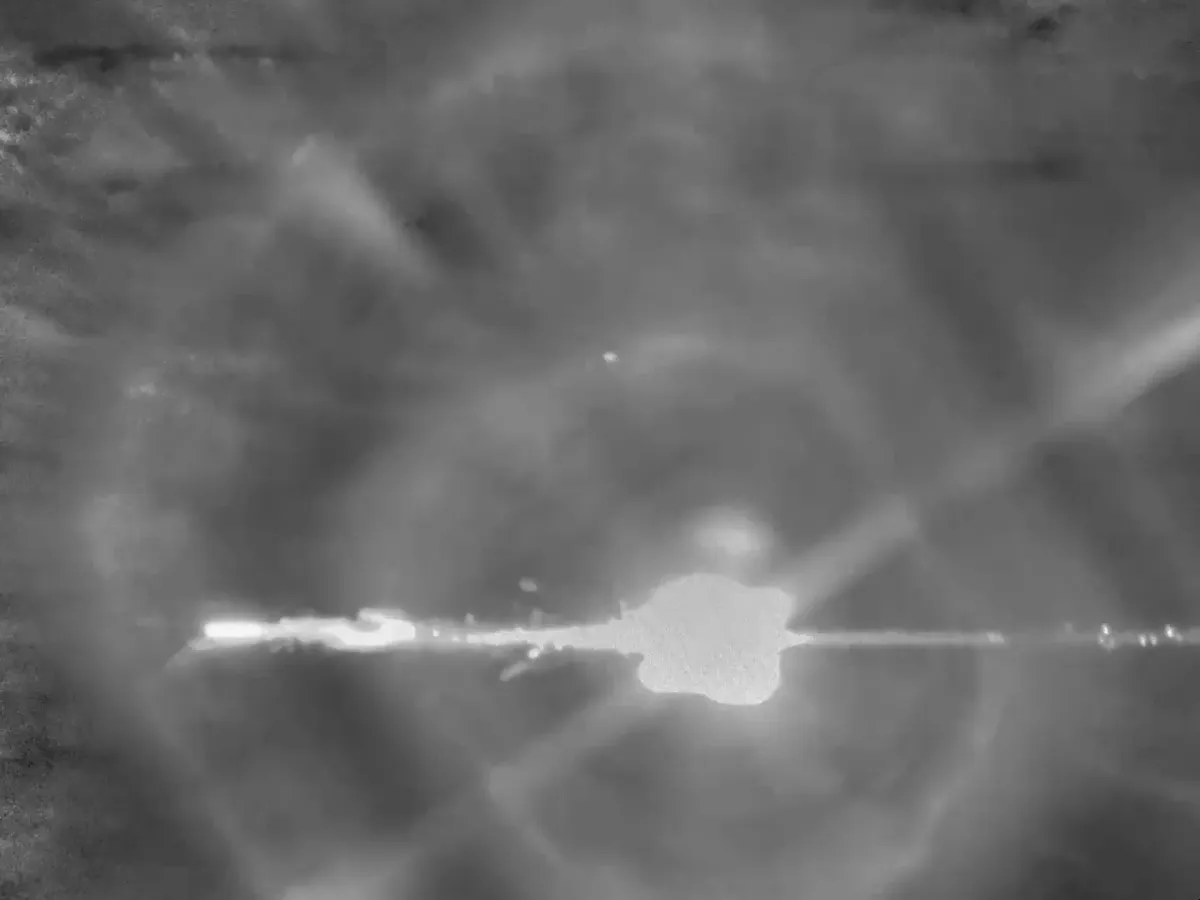
UK air defense engagement in Iraq operationalizes the coalition's layered defense against Iranian drones, but only if UK systems are integrated into real-time targeting networks with US Central Command. If intercepts rely on autonomous UK air defense rather than shared intelligence feeds, each allied platform becomes a separate detection point — reducing coverage efficiency.
This determines whether allied air defense becomes a binding constraint on Iranian drone employment or remains a secondary annoyance that Iran can overwhelm through saturation attacks.
The intercept demonstrates that allied air defense systems are now actively engaged in the conflict theater, extending the defense perimeter beyond US and Israeli platforms.
This has two immediate implications: (1) it validates interoperability of UK air defense with coalition operations in Iraq, and (2) it signals that Iran is launching drones beyond the immediate US-Israel theater, testing allied response capacity.
However, the source provides no detail on intercept method, location, or whether additional drones were in the same wave — critical gaps that determine whether this is routine air defense or evidence of a new Iranian attack corridor.
The article does not specify: the drone's launch origin, intended target in Iraq, intercept location, method (air-to-air, ground-based air defense), or whether this was part of a larger coordinated wave.
Fault Lines
Strategic intelligence, synthesized daily — with a public track record. Every call graded against what actually happened.