Trump Threatens Shipping Sanctions to Block Iran Toll Payments; Blockade Enters Coercion Phase
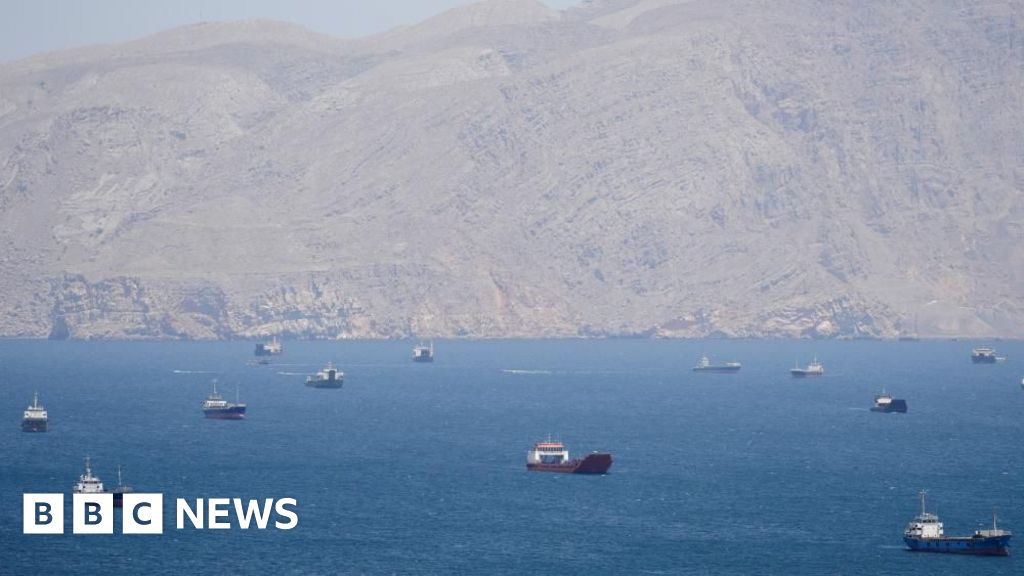
The sanction threat on toll payers converts the blockade from a military operation into a financial chokepoint. Refineries in Europe and Asia now face a binary: accept 40-50% cost increases via rerouting, or negotiate directly with the Trump administration for exemptions — which means aligning their Iran exposure with US foreign policy.
This subordinates allied energy security to US sanctions enforcement, not military capability. Simultaneously, the blockade's permanence forces OPEC+ to calculate spare capacity as a deterrent asset — Saudi Arabia and UAE can no longer assume Gulf stability, only US permission to operate.
This kills any remaining pretense of a negotiated off-ramp.
Trump just told shipping operators that paying Iran directly — the only way to transit the Strait — triggers US sanctions. That forces every carrier into a choice: breach Iran's blockade entirely, pay the US Navy instead, or reroute at 40% higher cost. Hormuz transits are already at 9% of normal volume.
This sanction threat on third-party payers collapses what little commerce remains and locks in the blockade as a permanent feature of Gulf economics, not a negotiating tactic. Insurance markets will price in total Hormuz closure within 72 hours. Refineries dependent on Gulf crude now face supply certainty measured in weeks, not months.
Are shipping insurers already repricing Hormuz transits as uninsurable, or is the market still pricing this as temporary disruption? If the former, the blockade just became self-enforcing — no carrier will move cargo even if the US Navy permits it.
Fault Lines
Strategic intelligence, synthesized daily — with a public track record. Every call graded against what actually happened.