Amazon's $5B Anthropic Investment Locks 5GW Custom Silicon Into AI Training; Domestic Chip Dependency Deepens
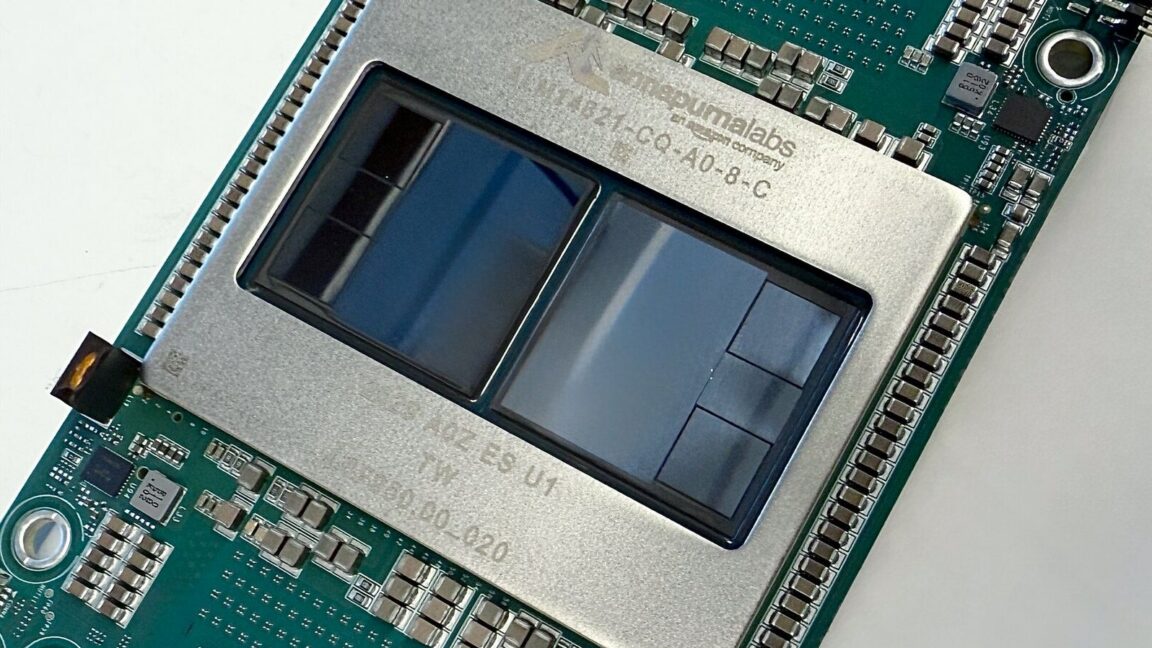
Amazon's exclusive silicon commitment removes Anthropic from the open-market chip ecosystem at the precise moment when US export controls are fragmenting global AI compute access.
If Treasury/Commerce designates Trainium or Inferentia as 'foundational AI chips' subject to foreign availability restrictions (a move being debated internally at BIS), Anthropic loses the ability to train models for sale to EU or Five Eyes partners without a separate licensing regime — converting a commercial deal into a geopolitical chokepoint.
This is a vertical integration play disguised as a venture round.
Amazon now controls both the capital and the silicon supply for Anthropic's training runs — a single point of failure for US AI leadership at a moment when chip access is a contested geopolitical asset. The real problem: Anthropic loses negotiating leverage with TSMC and Samsung if Trainium/Inferentia lag on performance-per-watt.
If Amazon's custom silicon hits a design flaw or manufacturing hiccup, Anthropic cannot pivot to competing architectures without renegotiating the entire $5B commitment.
For the defense industrial base, this matters because Anthropic is a primary vendor for classified AI work at DoD and IC — tying their compute to a single commercial cloud provider (AWS) creates a single point of leverage for export controls, sanctions, or supply disruption.
If BIS moves on Amazon's chip exports to allies or restricts their use in certain applications, Anthropic's ability to serve classified contracts evaporates. Last parallel: when NVIDIA became the only game in town for LLM training, the entire sector became dependent on one vendor's roadmap. Amazon is now replicating that chokepoint domestically.
Does the $5B include equity stake or board seat for Amazon, and if so, what veto rights does Amazon hold over Anthropic's licensing deals with other cloud providers or foreign AI labs?
Fault Lines
Strategic intelligence, synthesized daily — with a public track record. Every call graded against what actually happened.