TKMS, Navantia Formalize Submarine Production Cooperation Amid European Defense Autonomy Push
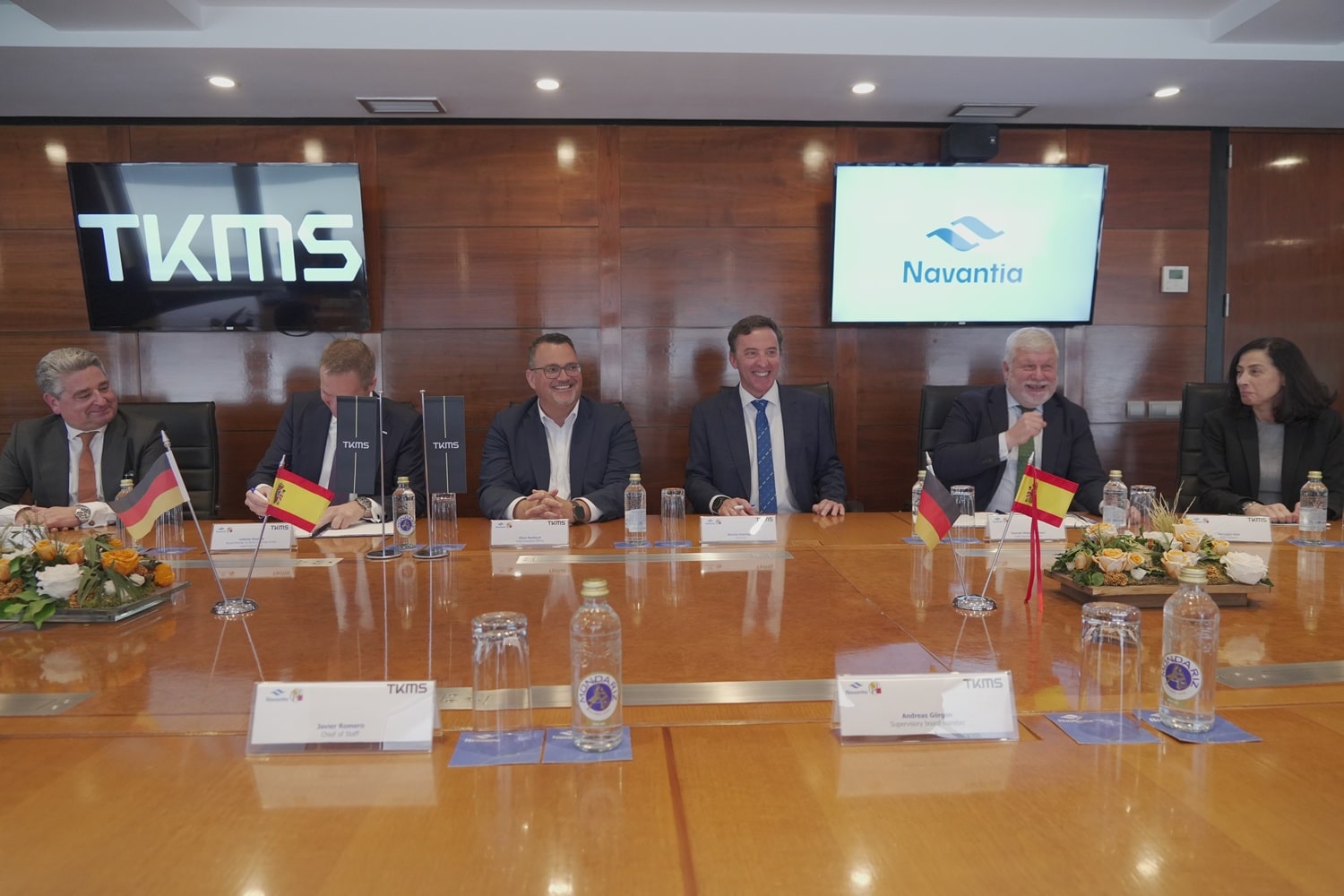
Germany's April 15 decision to build independent European defense capacity directly enabled this MoU by signaling Berlin would no longer defer submarine procurement to transatlantic supply chains.
If TKMS transfers advanced submarine design or propulsion technology to Spanish production, Europe gains the ability to sustain NATO force structure without US industrial cooperation—a market-forces shift that reduces Lockheed Martin and Huntington Ingalls' leverage over allied naval modernization and creates a second source for critical submarine components outside US export control jurisdiction.
This agreement operationalizes the European defense coalition Germany catalyzed on April 15 (per prior Fault Lines signal) by anchoring submarine manufacturing capacity within the EU independent of non-allied supply chains.
Spain gains advanced submarine production capability; TKMS gains access to Navantia's underutilized yards to meet NATO demand without relying on German capacity alone. The timing—coinciding with Germany's pivot away from US security guarantees and NATO's $60B Ukraine commitment call—signals Europe is locking in dual-use naval industrial capacity before transatlantic defense relationships stabilize.
The strategic consequence: if the US-Iran blockade escalates further or draws European naval assets into Middle East operations, allied submarine delivery timelines become a constraint on European independent action rather than a US-gated variable.
Watch whether this MoU includes technology transfer terms (TKMS Type 212 or successor platforms) or remains assembly-only; the former would indicate structural EU defense autarky planning.
The article does not specify which TKMS platforms are included, production volume targets, timeline for first delivery, or whether the agreement includes technology transfer or remains component assembly.
Fault Lines
Strategic intelligence, synthesized daily — with a public track record. Every call graded against what actually happened.