Russian Black Sea Oil Terminal Halts Exports After Drone Strike; Supply Shock Widens Beyond Iran
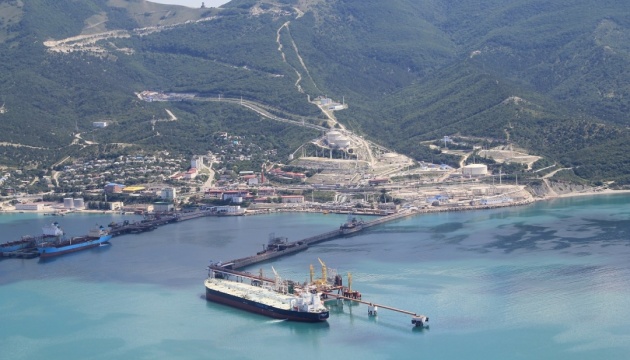
Russian energy export losses compress Moscow's war financing at the moment when sanctions and drone attrition are already straining defense industrial capacity. If the terminal remains offline for weeks, Gazprom and Rosneft will redirect crude to Asia-Pacific markets at transport cost premiums, reducing rubles available for ammunition procurement — a direct constraint on Russian artillery output in Ukraine.
Simultaneously, EU energy prices rise, forcing harder choices on defense spending commitments made at recent NATO summits, and potentially delaying allied weapons deliveries to Ukraine if industrial base competes for energy allocation.
This marks the first reported disruption to Russian energy export infrastructure during the active Iran campaign, expanding the conflict's economic footprint beyond Middle Eastern oil markets.
If the suspension persists beyond days, global crude prices will face upward pressure independent of Hormuz closure — creating a dual supply shock (Iran sanctions + Russian export loss) that forces energy-dependent allies (EU, Japan, South Korea) to compete for alternative sources.
The timing — during Trump's final-day Hormuz ultimatum — suggests either Ukrainian strike capability or a deliberate effort to compound pressure on Russia's war economy. Watch whether this catalyzes EU or NATO response against Ukrainian operations, or whether it accelerates Russian retaliation against Ukrainian energy infrastructure (already under sustained attack).
The article does not identify the attack source (Ukrainian drone, Houthi, other), the extent of damage to loading infrastructure, estimated repair timeline, or current export volumes at the terminal.
Fault Lines
Strategic intelligence, synthesized daily — with a public track record. Every call graded against what actually happened.