Trump Disavows South Pars Strike; US-Israel Operational Coordination Fractures Mid-Campaign
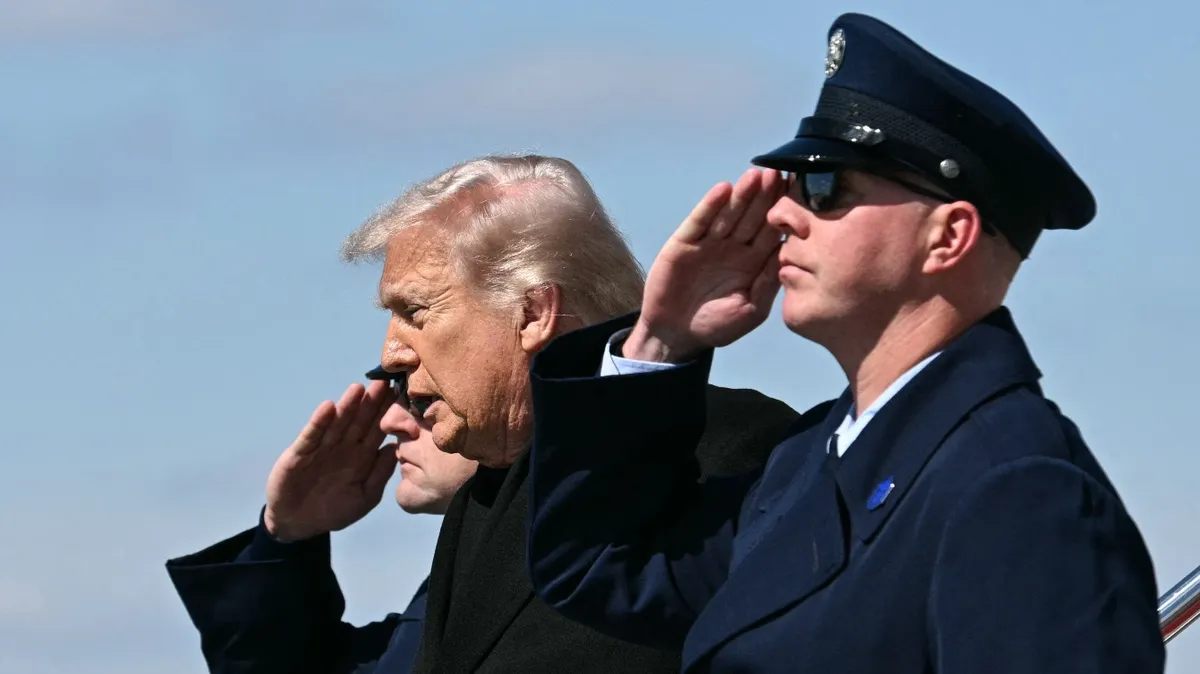
Trump's public distance from the South Pars strike creates a coordination vacuum in the US-Israel air campaign at the moment when Iran is executing retaliatory strikes on Gulf energy nodes and naming five additional Saudi-UAE-Qatar facilities as targets.
If Israel continues unilateral strikes while the US maintains public separation, Iran will perceive fractured US resolve and may accelerate attacks on Qatar's Ras Laffan complex or Saudi facilities, forcing the US to either re-engage militarily (contradicting Trump's disavowal) or accept energy supply disruption.
Trump's disavowal signals operational daylight between Washington and Jerusalem at a critical moment in the conflict.
If accurate, it indicates Israel is executing strikes beyond US strategic parameters—a constraint problem for future joint operations and for Trump's ability to manage escalation. If false, it suggests deliberate public separation for political cover, which undermines allied credibility on targeting intent and raises questions about whether similar "surprises" will recur.
Either way, the statement fragments the narrative of coordinated pressure on Iran's energy sector that has been the centerpiece of US-Israel strategy since March 14.
The specific warning to Iran about Qatar—a US-aligned LNG exporter and basing partner—reveals US concern about spillover effects on Gulf energy infrastructure and suggests Washington is now operating damage-control rather than offensive-coordination mode with Israel.
The article does not specify whether Trump's claim reflects a genuine intelligence failure, a deliberate operational separation, or a political messaging strategy.
Fault Lines
Strategic intelligence, synthesized daily — with a public track record. Every call graded against what actually happened.