Unconfirmed Iran School Strike Escalates US-Israel Attribution Risk in Middle East
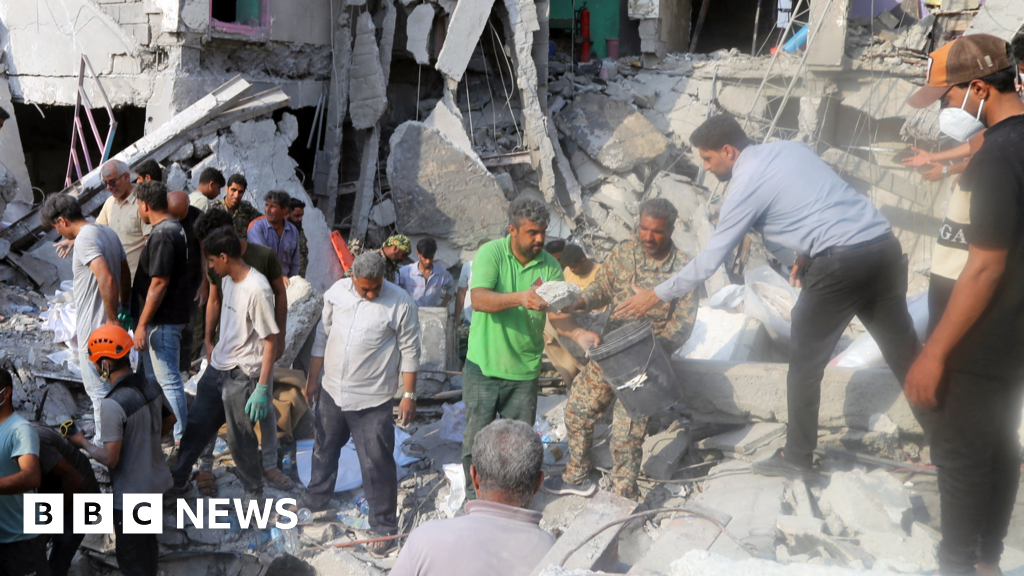
Unconfirmed reports of large-scale civilian casualties create pressure on US and allied air defense and force protection spending regardless of attribution truth — regional threat perception hardens, pushing forward procurement of Patriot, THAAD, and naval air defense systems in Gulf states and Israel.
If Iran initiates a retaliatory strike, it will test those systems in combat, exposing any capability gaps and triggering emergency sustainment contracts. The attribution ambiguity also delays intelligence community consensus, which blocks policy response and creates a window for proxy escalation (Houthis, Iraqi militias) before US deterrence messaging clarifies.
If confirmed as a US or Israeli strike, this represents direct military action against Iran with potential for rapid escalation — Iran has signaled retaliation for previous strikes.
If the attribution is false or the incident unverified, the narrative itself becomes a flashpoint for regional mobilization and anti-US/Israeli messaging. Either way, the ambiguity creates decision pressure: defense planners must assume increased Iranian retaliation risk (missile, proxy, or cyber) without confirmation of the triggering event.
This affects force posture, air defense procurement timelines, and allied positioning in the Gulf and Eastern Mediterranean.
The article does not specify the location of the alleged strike, independent casualty verification, or any evidence of what actually occurred. We cannot assess whether this is a confirmed military operation, a misattributed incident, or a strategic claim by Iran.
Fault Lines
Strategic intelligence, synthesized daily — with a public track record. Every call graded against what actually happened.