Air Force tests autonomous flight software on CCA prototypes with GA, Anduril
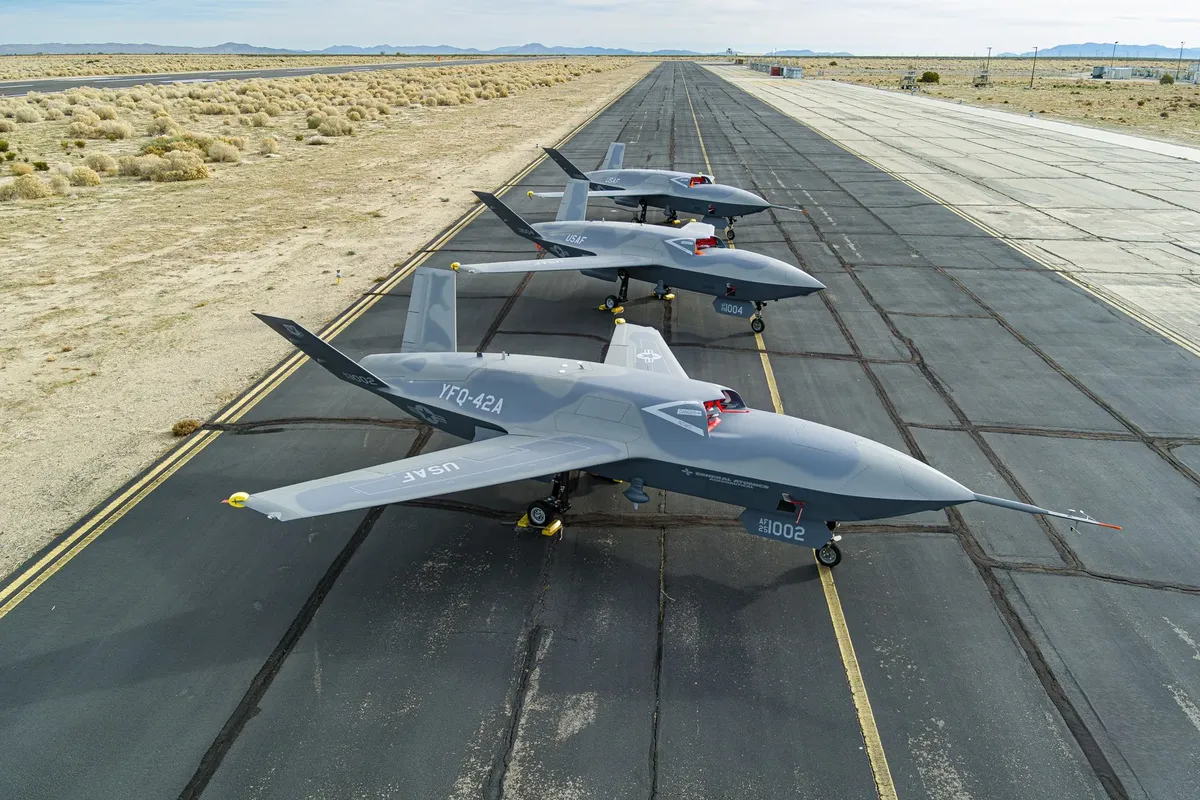
Primarily a Power Projection story: autonomy maturity directly affects CCA operational readiness and distributed force architecture. Secondary Market Forces angle: this test outcome will influence which autonomy vendors win follow-on integration contracts and which primes gain architectural control.
If Shield AI and Collins Aerospace autonomy packages both clear testing, it signals the Air Force is comfortable with competitive autonomy stacks; if one fails, it consolidates vendor power. Limited geopolitical relevance unless these tests reveal capability gaps that shift the China military-technical competition timeline.
This marks the first operational validation of autonomy packages on actual CCA hardware, moving the program from simulation to flight.
The choice of integrators matters: Shield AI's selection by Anduril and Collins Aerospace's pairing with General Atomics will shape the autonomy architecture that eventually enters production. If these tests succeed on schedule, they compress the timeline to operational CCA deployment and validate the autonomy stack that competitors will be measured against.
The risk: if either integration fails or reveals unforeseen software-hardware conflicts, it delays the entire CCA timeline and opens the door for alternative autonomy vendors to pitch in.
The article does not specify test scope (flight envelope, autonomy tasks, decision authority retained by human operators), timeline for results, or success criteria.
Fault Lines
Strategic intelligence, synthesized daily — with a public track record. Every call graded against what actually happened.